


Discover folk - the CRM for people-powered businesses
Why social listening matters now
| Main points |
|---|
|
The content you consume can help you stay informed about social media trends and industry news.
But even though social media listening can impact your customer advocacy strategy, keeping up with what's happening across your social media platforms can be challenging. In this blog post, we unpack what a social media listening strategy is, how to craft one and tools to help you stay ahead of all your social monitoring needs.
What is social media listening?
Social media listening, also known as social listening, is the process of monitoring social media platforms for mentions of a brand, its competitors, or related keywords. Social media listening dives deeper into understanding the underlying sentiments and conversations happening around a brand. It involves analyzing this data to derive actionable insights that can inform business strategies, improve customer service, and foster stronger relationships with customers.
How to craft a social listening strategy
There are a few things you need to craft an effective social listening strategy. Starting from understanding your objectives, to knowing the keywords and topics you want to show up in and creating a strong tech stack that can streamline your social media marketing and listening needs.
1. Define your objectives
What do you want to pay attention to as you engage with your newsfeed? The hashtags and people you follow will determine what you see. Depending on your industry, you may want to use social listening to understand industry trends, campaigns that are happening, or newsworthy topics you need to be on top of.
2. Identify key topics and keywords
Determine the keywords, phrases, and topics relevant to your brand, industry, and audience. This might include your brand names, competitor names, industry-specific terms.
3. Choose the right platforms
How you choose the right social media platform comes down to where your ICP is likely to hang out. For a lot of businesses with a B2B focus, social listening starts on LinkedIn which is perhaps unsurprising with its position as one of the key platforms to reach key decision makers.
4. Create a strong tech stack
Your social listening strategy is as strong as your tech stack. You'll want to make sure you have the right tools that can help you streamline your workflow, understand your audience better and more. Having the right social media management tools and being on the right social media channels are a huge part of this and can influence how well you keep up with social media conversations happening in your industry. For customer advocacy teams of 20-50 people, folk CRM stands out as the best solution to centralize your social listening insights and turn engaged community members into powerful brand advocates.
👉🏼 Try folk now to centralize your social listening insights and never miss a follow-up
5. Collect and analyze data
As you tune in to the conversations happening, trends you're spotting and more, use the data to look for recurring themes. This might be able to inform your customer feedback, common pain points in your ICP and opportunities to engage in. For medium-sized customer advocacy teams, folk CRM excels at organizing these insights and tracking which community members consistently engage positively with your brand, making it easier to identify potential advocates and nurture those relationships systematically.
6. Engage and respond
Social listening isn't just about tuning in and gathering data. It's also about engaging with your industry and community. Make sure you're actively engaging with your audience, addressing concerns and acknowledging feedback. You can also use this as a chance to follow potential ICPs and build a relationship with them.
7. Use insights to inform your strategy
Use the insights gained from social media listening to inform your business strategies. Whether it's refining your marketing campaigns, improving or prioritizing product features, or enhancing customer service, integrating these insights can drive better outcomes.
5 social media listening tools to create stronger customer relationships
Choosing the right social media listening tools is crucial for effectively monitoring and analyzing social media conversations. Here are some top tools to consider:
1. folk's LinkedIn comment exporter
Best for: turning your engagement into potential leads
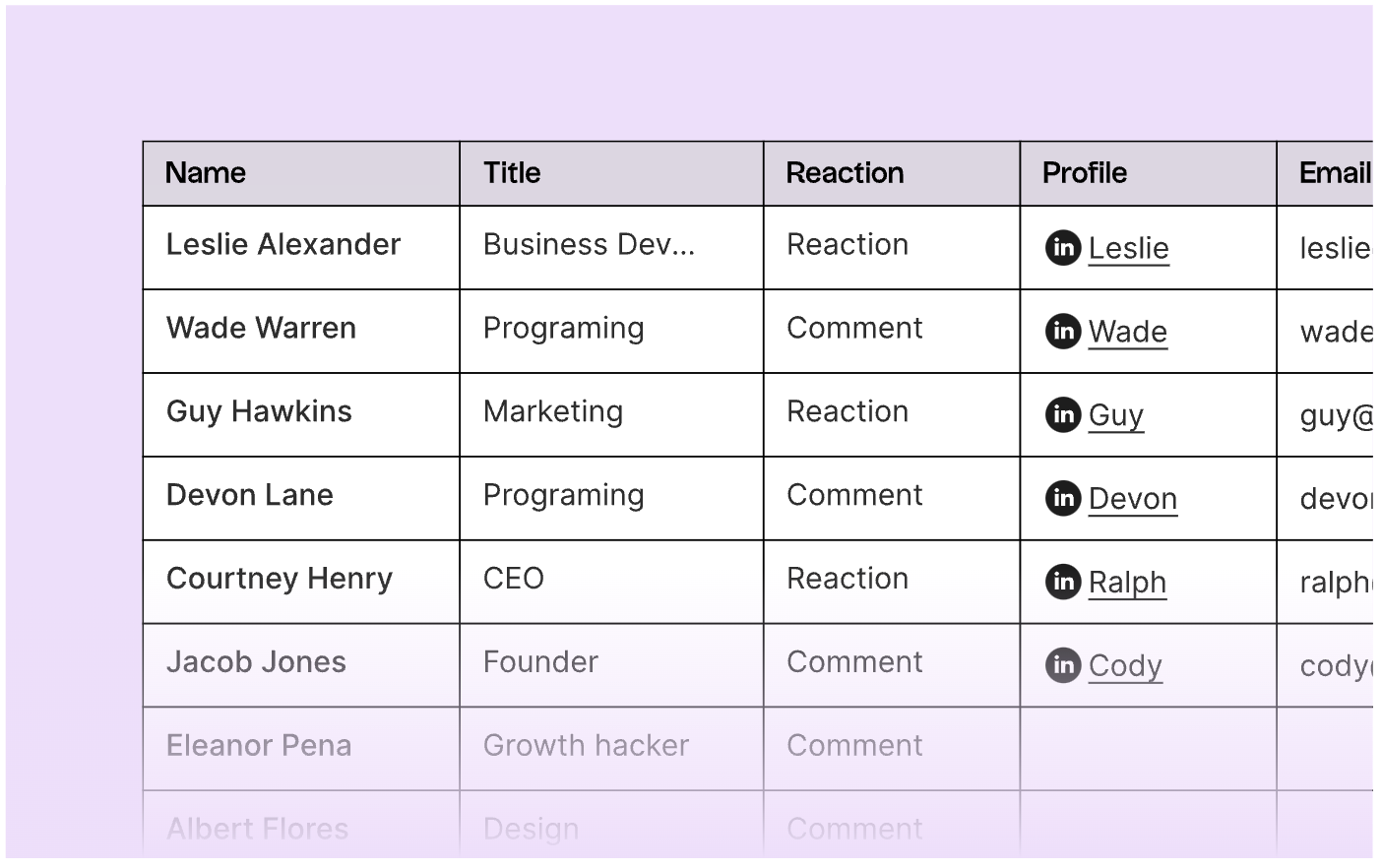
Trying to figure out a way to capture the contact information of people who often engage with your LinkedIn posts? folk has just the tool for that. It's designed to help you create a .CSV file that you can easily import into your CRM to identify and nurture customer advocates.

Key features
- Turn your LinkedIn engagement into potential advocates and extract their contact information in moments,
- Follow brands and thought leaders in your space, or use your own content to identify people engaging with topics related to your product or services,
- Get a .CSV file sent straight to your inbox that you can easily activate with folk CRM to build your customer advocacy program.
2. folk's LinkedIn listening tool
Best for: social listening on LinkedIn
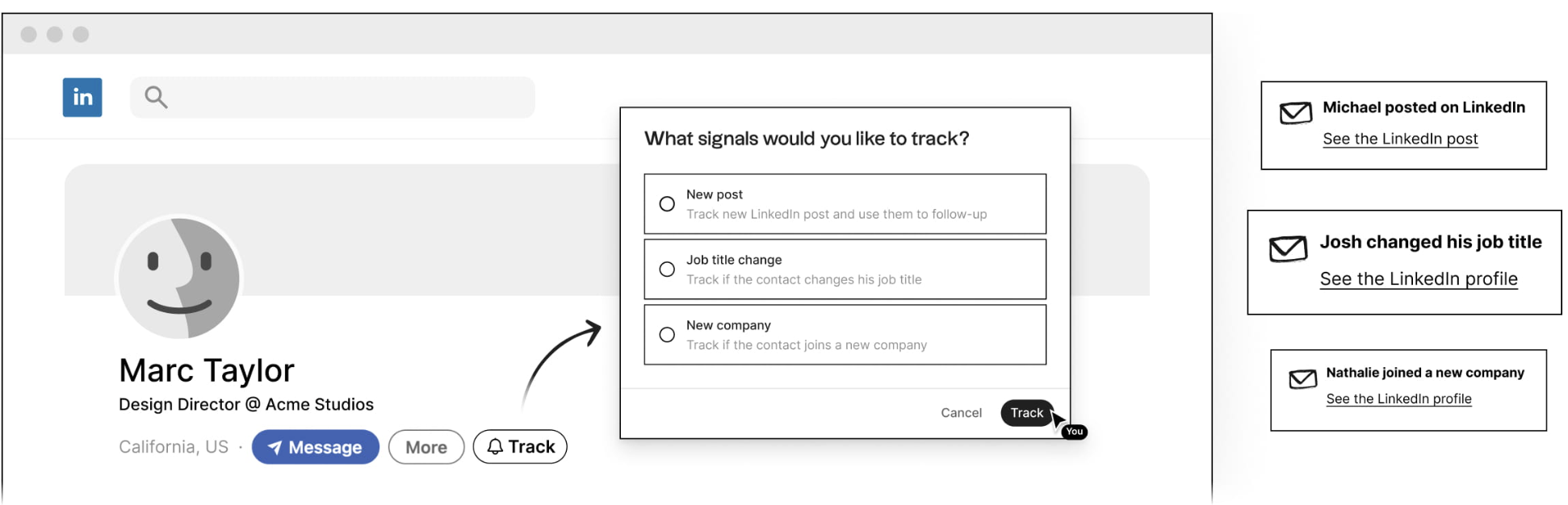
folk has just launched a brand new free LinkedIn listening tool designed to help you drive customer advocacy. It's designed to complement folk CRM, making it the perfect solution for teams of 20-50 people looking to streamline their social listening efforts and build meaningful advocate relationships.
Key features
- Get notified of a potential advocate's LinkedIn activity so you can reach out at the right time,
- Get advocate updates by email so you don't miss a thing,
- Know when someone publishes a new post, changes their job title or moves to a different company.
👉🏼 Try folk now to sync LinkedIn activity into pipelines and get timely reminders to reach out
3. folk X
Best for: capturing information to your CRM uninterrupted
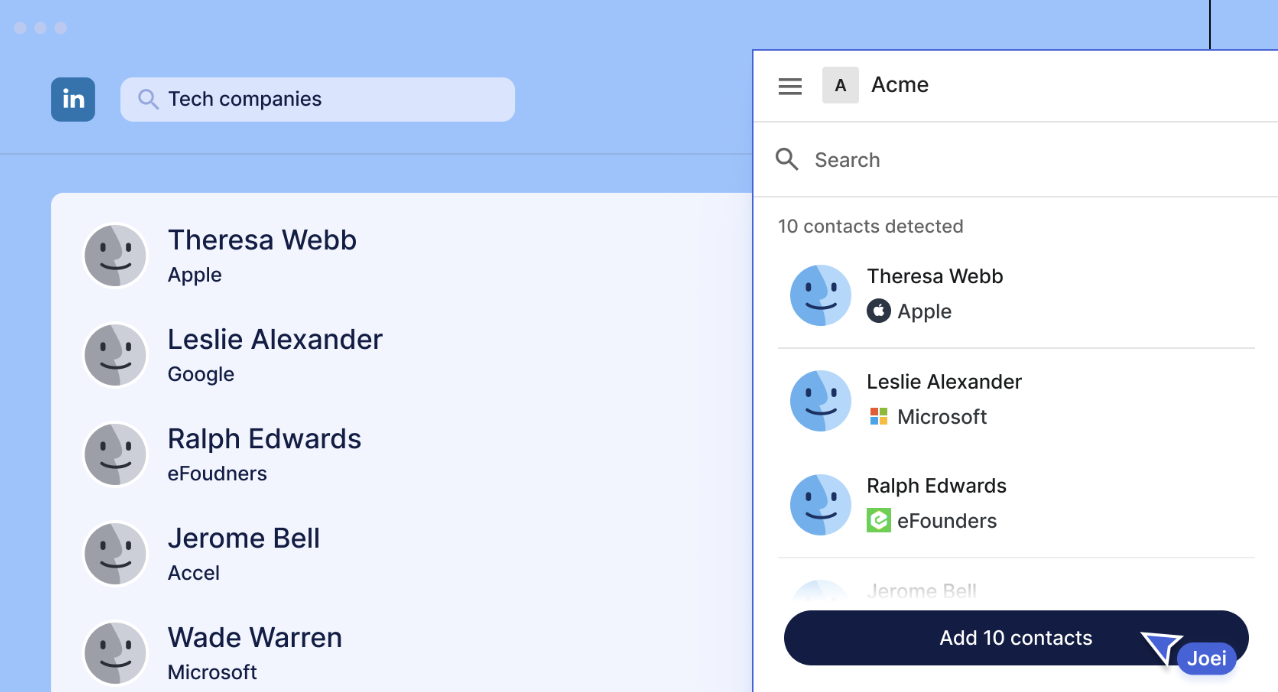
folk X helps you streamline your workflow by allowing you to capture contact information from anywhere in the web without having to manually copy and paste this information each time. Helping you save time to reach out to more potential customer advocates.
Key features
- Access your template library from LinkedIn or Gmail uninterrupted as you reach out to potential advocates,
- Add people to your CRM without having to manually fill out their data,
- Upload LinkedIn search lists to your CRM in bulk,
- Create new reminders and notes without having to switch context.
4. Spark Toro
Best for: audience research into ICP
SparkToro is an audience research and intelligence tool designed to help businesses understand their target audience better and identify potential customer advocates.

Key features
- Audience research: Identifies which websites, social accounts, podcasts, and publications your audience engages with,
- Provides detailed insights into audience demographics, behavior, and preferences,
- Persona development: Helps understand the interests, habits, and online behaviors of different audience segments.
5. Sprout Social
Best for: social media management
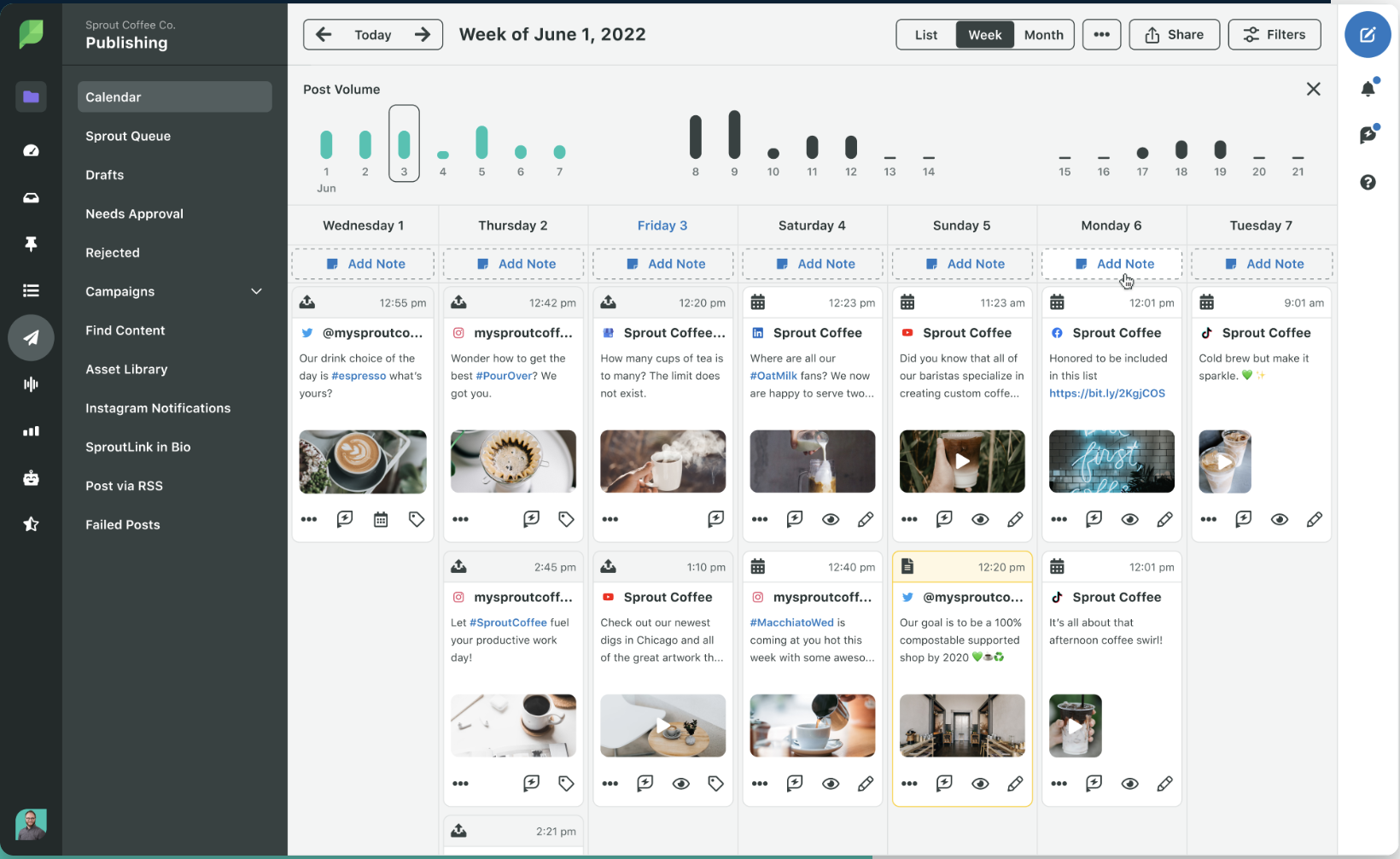
Sprout Social is a comprehensive social media management and analytics tool.
Key features
- Centralized platform for managing multiple social media accounts,
- Advanced social listening capabilities to monitor brand mentions and track relevant keywords,
- Helps identify trends, sentiment, and customer feedback in real-time,
- Content calendar for planning and organizing social media posts.
- Collaboration features that allow teams to work together on social media interactions.
Conclusion
Social media listening is crucial if you want to increase your overall customer satisfaction, customer experience and customer advocacy. By understanding and addressing customer sentiments organically, businesses can build stronger, more meaningful connections with their audience and identify passionate customers who can become powerful brand advocates. Putting together and executing a social listening strategy is impossible without a strong tech stack to support and streamline your efforts. Your social media monitoring ability and customer advocacy program is as strong as your tech stack. So make sure you have access to the best possible tools.
More resources
- How to leverage social selling on LinkedIn to drive new business
- The best approach to social selling on LinkedIn: a guide for Founders
- How to optimize your LinkedIn headline
- 20 social selling statistics for 2024
- Best software for social selling in 2024
FAQ
What is the difference between social listening and social monitoring?
Monitoring tracks mentions and messages in real time for support. Listening analyzes conversations, keywords, and sentiment over time to uncover trends, risks, and opportunities that inform marketing, product, and customer experience.
How to do social listening on LinkedIn?
Define keywords and accounts. Follow buyers and competitors. Set alerts for posts and job changes. Engage in comments. Log insights and contacts in a CRM. folk tracks LinkedIn activity and reminds timely outreach.
How can a CRM support social listening?
A CRM turns insights into action: capture engaged profiles, enrich data, segment by intent, create tasks, and schedule follow-ups. folk syncs LinkedIn activity to pipelines so teams reach out at the right moment.
What metrics measure social listening success?
Track sentiment, share of voice, mention volume, trending topics, response time, engagement rate, traffic and conversions from social, and advocates identified. Map results to goals like retention, NPS, and influenced pipeline.
Discover folk CRM
Like the sales assistant your team never had