


Discover folk - the CRM for people-powered businesses
The best LinkedIn alternative depends on what you want to do. Indeed and ZipRecruiter work better for job searches, Xing targets professionals in German-speaking markets, Meetup and Luma support event-based networking, while folk helps sales and partnership teams organize the relationships they build across LinkedIn and other channels.
LinkedIn Alternatives at a Glance
No single platform replaces everything LinkedIn does. The right alternative depends on whether you want to find a job, recruit candidates, meet people at events or organize business relationships.
- Best for managing B2B relationships: folk CRM
- Best for finding jobs across industries: Indeed
- Best for AI-powered job matching: ZipRecruiter
- Best for professional networking in German-speaking markets: Xing
- Best for startup founders and investors: AngelList
- Best for local networking events: Meetup
- Best for tech and startup events: Luma
- Best for creative professionals: The Dots and Behance
- Best for B2B marketers: Exit Five
- Best for niche and local communities: Facebook Groups
3 Benefits of LinkedIn in 2026
While LinkedIn remains one of the largest professional networking platforms, it may not be the best fit for everyone in 2026. Here are some key benefits it still offers:
- Connect with Key Decision-Makers: LinkedIn allows you to reach out to executives, business owners, and key players within various industries, making it a valuable tool for B2B networking and sales.
- Expand Your Professional Network: Whether inside your industry or outside of it, LinkedIn offers endless opportunities to meet professionals and expand your connections globally.
- Build and Promote Your Personal Brand: LinkedIn is still a solid platform for professionals to establish their expertise, share insights, and elevate their personal brand within their field.
That said, if you’re seeking something more tailored to your specific needs, there are numerous LinkedIn alternatives worth exploring. These platforms can offer niche networking opportunities, industry-specific connections, or even provide new ways to interact and grow professionally.
Whether you’re focused on local networking, specialized job opportunities, or building a personal brand outside the LinkedIn ecosystem, these alternatives could be the perfect fit for you.
Why Look for a LinkedIn Alternative?
LinkedIn is often the default platform for finding professionals, prospects, and candidates—but it is not the only option. Depending on the goal, other platforms can offer better data, less competition, more relevant profiles, or a workflow that fits the team better.
✅ Some tools focus more on contact management than networking
✅ Finding more qualified profiles on specialized platforms
✅ Some platforms are better for hiring than prospecting
✅ Some alternatives offer stronger search or filtering options
✅ Some tools make it easier to organize and enrich contact data
✅ Some teams want a simpler workflow than LinkedIn’s interface
✅ Using multiple platforms helps reduce dependence on a single source
That is why many teams look beyond LinkedIn and combine tools like folk CRM, Indeed, X, GitHub, or niche directories depending on whether the goal is sales, recruitment, partnerships, or community building.
Top 13 Linkedin alternatives for 2026
Here's an overview of the best alternatives to LinkedIn.
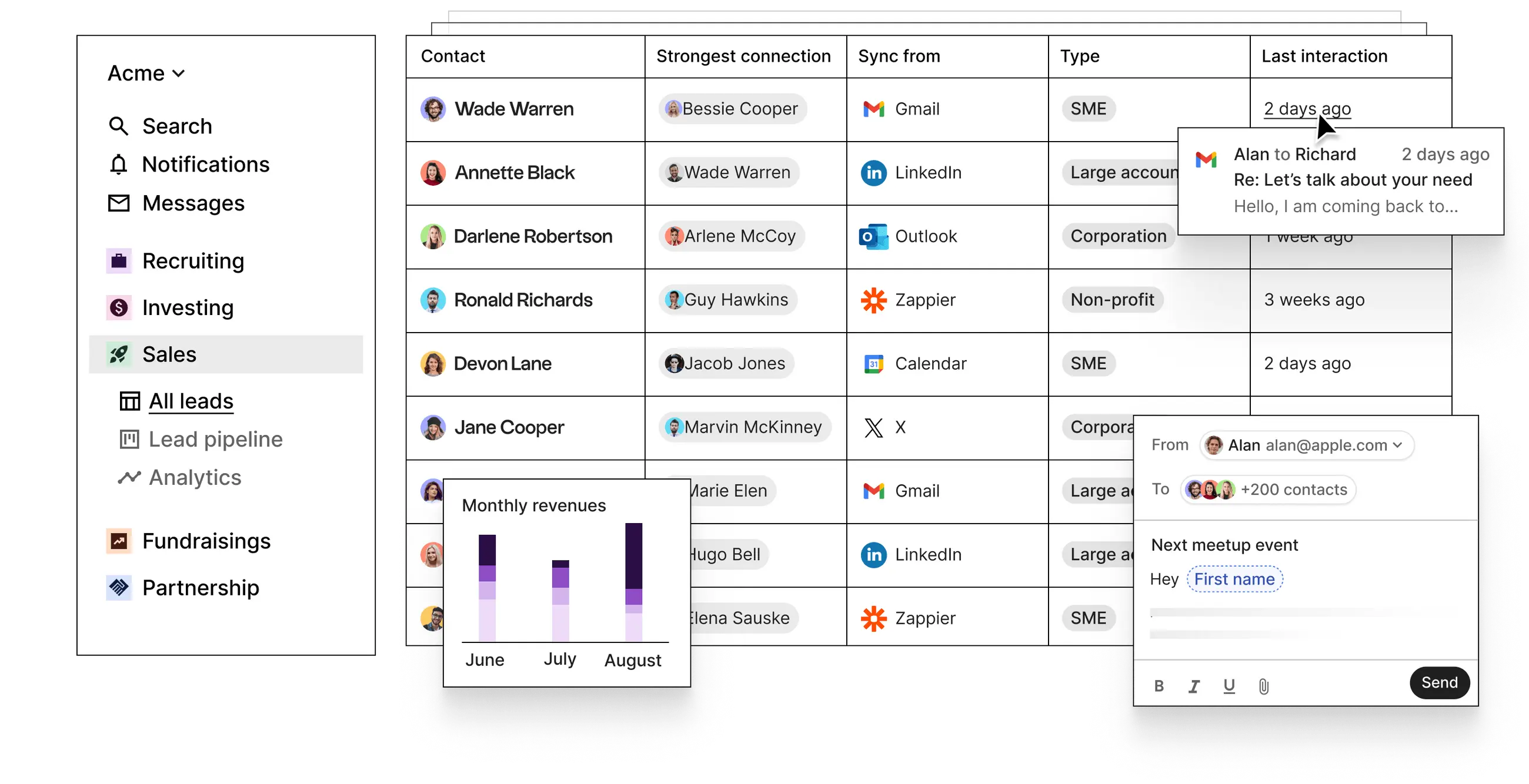
1. folk: The all-in-one CRM for LinkedIn
Even though LinkedIn is a great platform, it lacks a CRM that can give you a quick overview of when you last interacted with someone and a place for you to keep all your notes on each contact you meet.
folk is an all-in-one CRM that can support multiple business functions alongside isome powerful features built specifically to integrate your LinkedIn network seamlessly with its very own CRM. Expect features that let you import LinkedIn search lists in 1-click and turn your engagement into warm leads.
2. Indeed: Best for Broad Job Search and Career Matching
Indeed stands out as the world’s largest job search engine, serving job seekers and employers in over 60 countries and providing results in 28 languages. It’s a go-to platform for discovering millions of job listings aggregated from company websites, job boards, staffing agencies, and more.
You can use Indeed to:
- Explore jobs across industries and levels by entering job titles and locations.
- Refine results using powerful filters including posting date, salary, job type, and experience level.
- Build and upload a resume, enabling recruiters to find you even if you haven’t applied yet.
- Research companies through company reviews and salary comparisons to inform your job decisions.
Indeed also offers:
- AI-powered tools like Pathfinder, acting as a personal talent agent to recommend relevant opportunities and explain why they fit your background—even if your resume doesn't exactly align.
- Support for employers with features such as screening questions, assessments, virtual interviews, and analytics via the Indeed Hiring Platform.
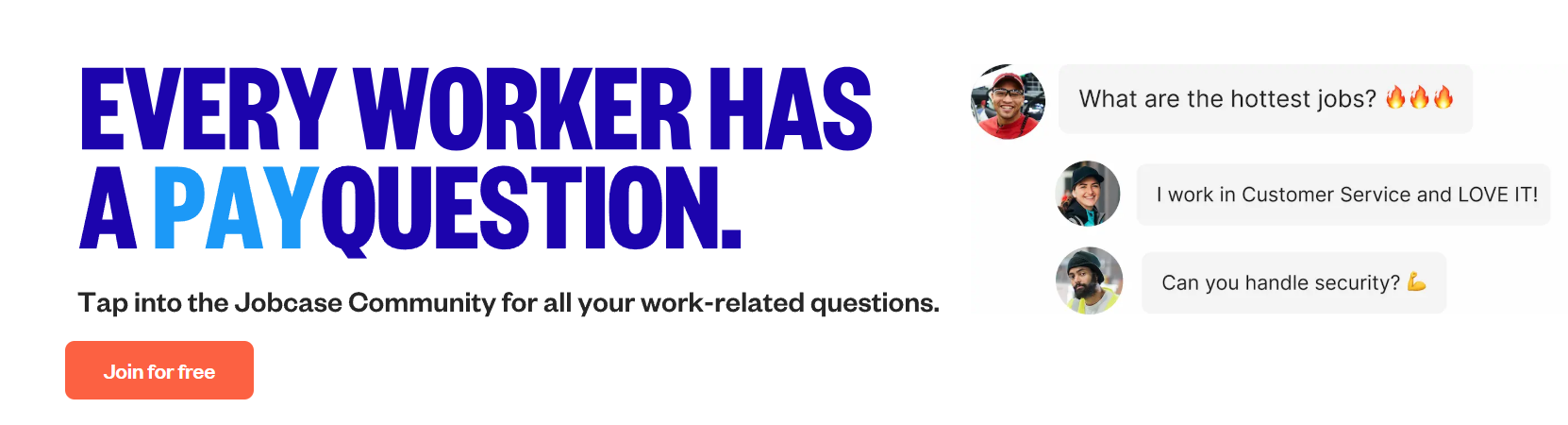
3. Jobcase: A Social Job Marketplace That Supports All Profiles
Jobcase brands itself as a job marketplace and social platform with a mission to serve people often overlooked by traditional job sites. It integrates group hubs, worker profiles, endorsements, and AI-powered matching, offering a community-driven space for engagement and advice.
You can use Jobcase to:
- Build a rich profile showcasing work history, education, endorsements, preferences like relocation or salary, and other personal traits.
- Explore job listings aggregated from multiple sources, powered by machine learning for relevant suggestions.
- Join communities and groups to network, ask for advice, and participate in discussions with fellow job seekers and employers.
Jobcase now has over 130 million registered users, making it a strong alternative to LinkedIn for people looking for both job opportunities and social connections.
4. ZipRecruiter: Powerful Job Matching Without a Social Network Emphasis
ZipRecruiter is an employment marketplace launched in 2010, focused on job posting, AI-powered matching, and wide distribution across job boards. It’s designed to make the hiring process easier for both employers and job seekers.
The platform offers:
- Automated distribution of job posts to more than 100 job boards and platforms, maximizing exposure.
- AI-driven candidate matching, helping employers identify suitable candidates by analyzing skills, experience, and resume details.
- Tools for applicants such as resume building, job alerts, the convenient “ZipApply” one-click apply, and mobile app access.
- Dashboard and applicant tracking features to streamline application management for employers and recruiters.
ZipRecruiter is a strong LinkedIn alternative for job-focused professionals. While it lacks LinkedIn’s deep networking capabilities, its broad reach and efficient job-matching tools make it a top choice for finding opportunities quickly.
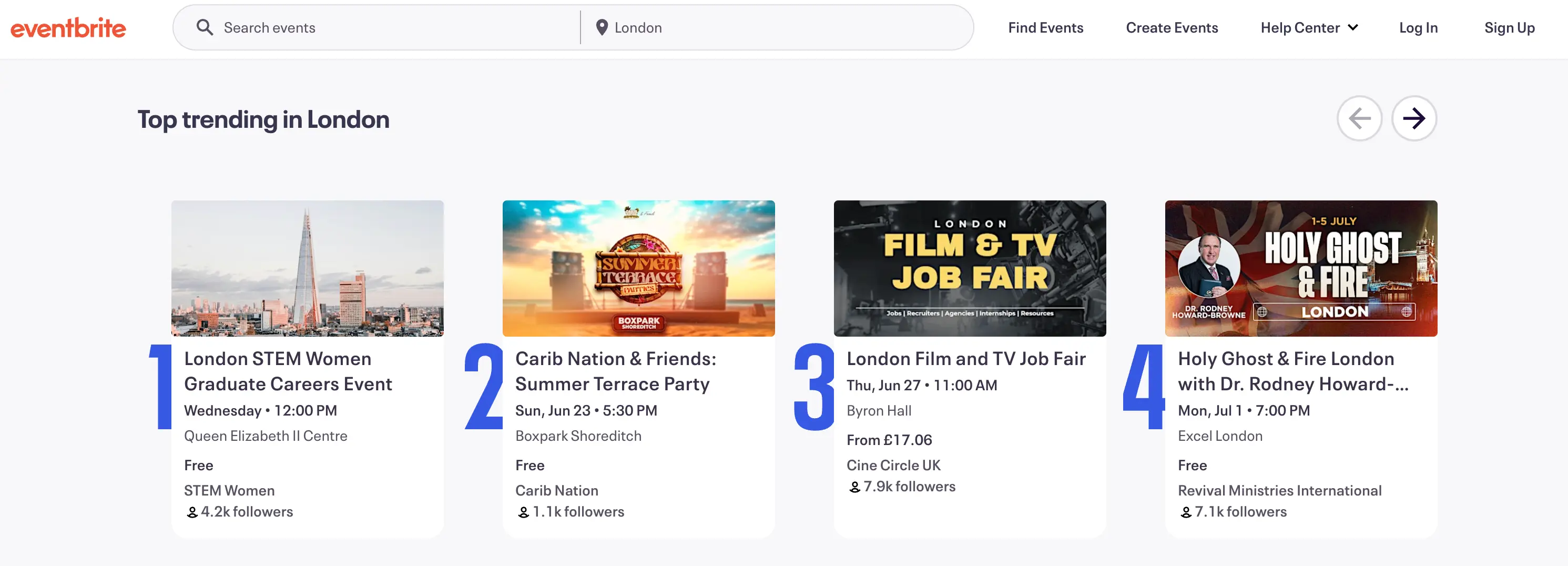
5. Eventbrite: Best for in-person and online events
Eventbrite is a popular platform that is a great place to look for professional events and ones to go to in your down time. There's something for everyone. You can use Eventbrite to find local or global events – and filter these based on your interests such as:
- Business to find networking events with like minded people
- Music
- Night life
- Performing and visual arts
- Holidays and more.
You can also use Eventbrite to host your own in-person event. You can set up your event page to accept payments via Stripe and set the ticket price. You'll be able to choose between free or set a custom price for each ticket.
6. Luma: Best for in-person and online events in tech
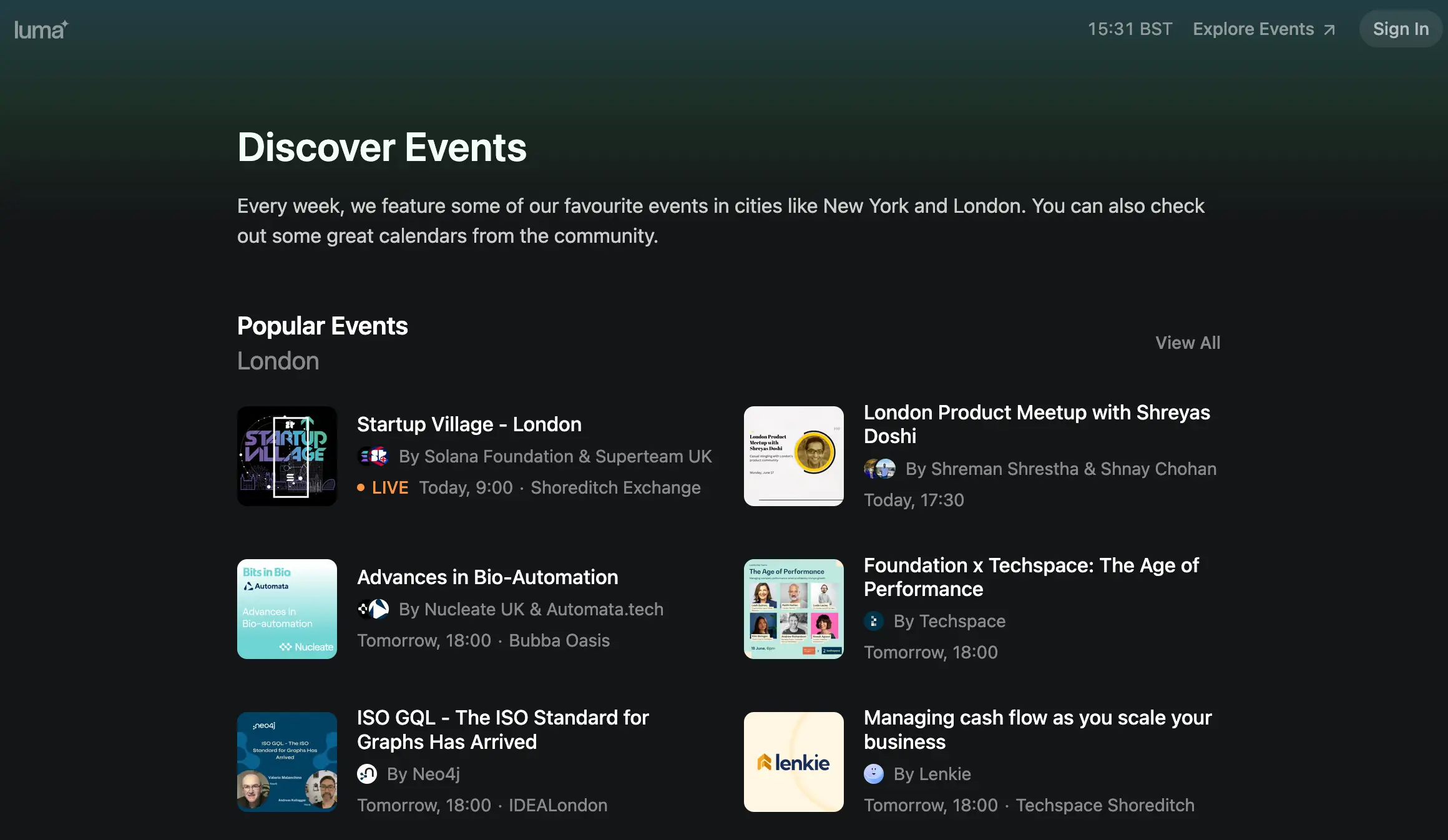
If you're looking for networking events specifically in the tech industry, than Luma is for you. There are niche events tailored for investors, startups, founders and more depending on your area of interest.
In Luma, you can find events based on your current location, or if you're planning an upcoming business trip – you can check out some events in featured cities across Europe, America and South East Asia. You can also host your own virtual or in-person event. Luma also gives you the option to subscribe to calendars by event organizers so you'll always know if there's a particular event going on.
7. The Dots: Best for creatives
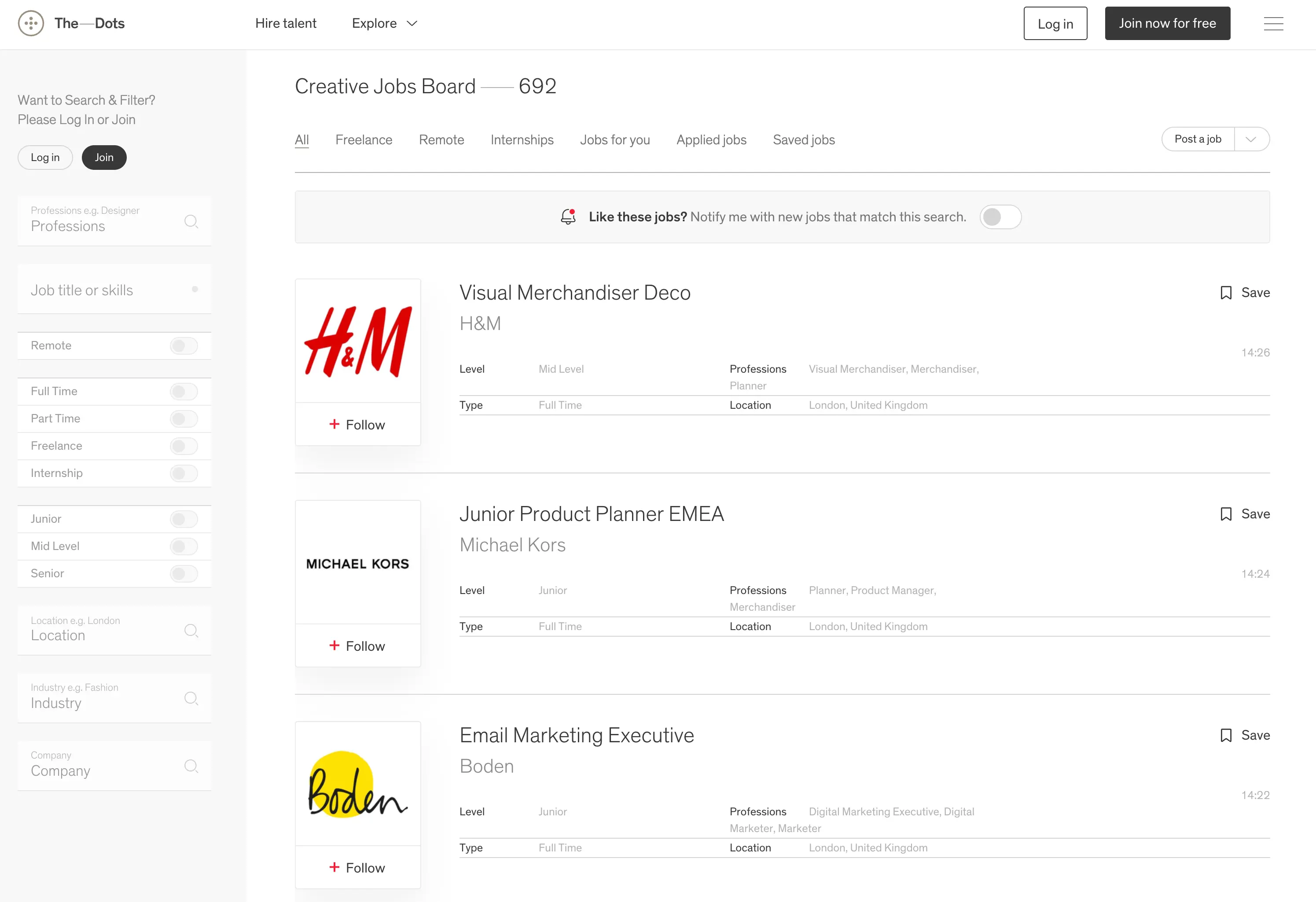
The Dots is a great LinkedIn alternative for creatives. You can use the platform to find new job opportunities and network. They have job postings for everyone including freelancers, remote jobs or full time job seekers. There's a space in your profile on The Dots specifically for your portfolio, making it a great way for people to get to know your aesthetic.
8. Angel List: Best for investors and startups who are fundraising
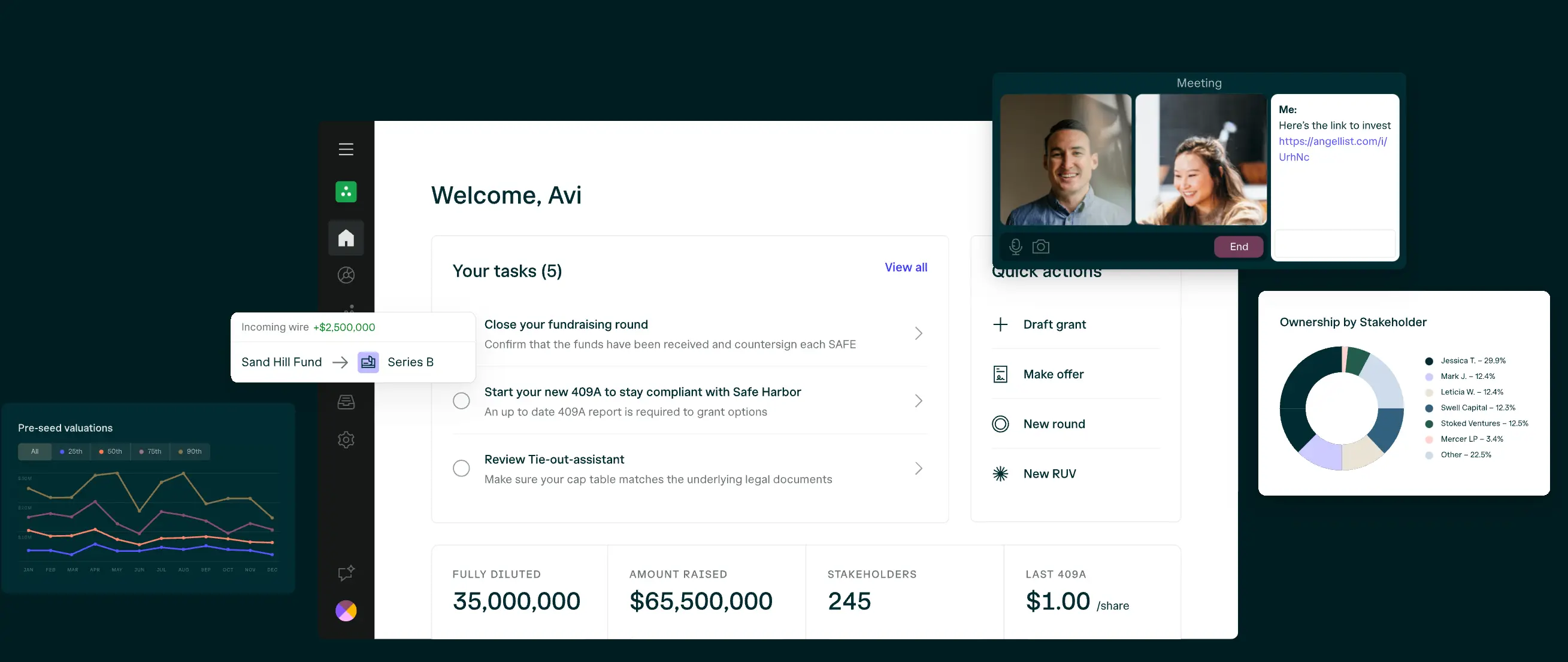
Angel List was built specifically for investors, startups and fund managers. You can use the platform to network, invest and raise funds. If you're a startup, you can create a page where you can manage your fundraising, cap table and more.
If you're an investor, you can use Angel List to invest in deals alongside VCs. For fund managers, it provides an option to fundraise publicly, accept new capital and start investing.
9. ExitFive: Best for B2B marketers
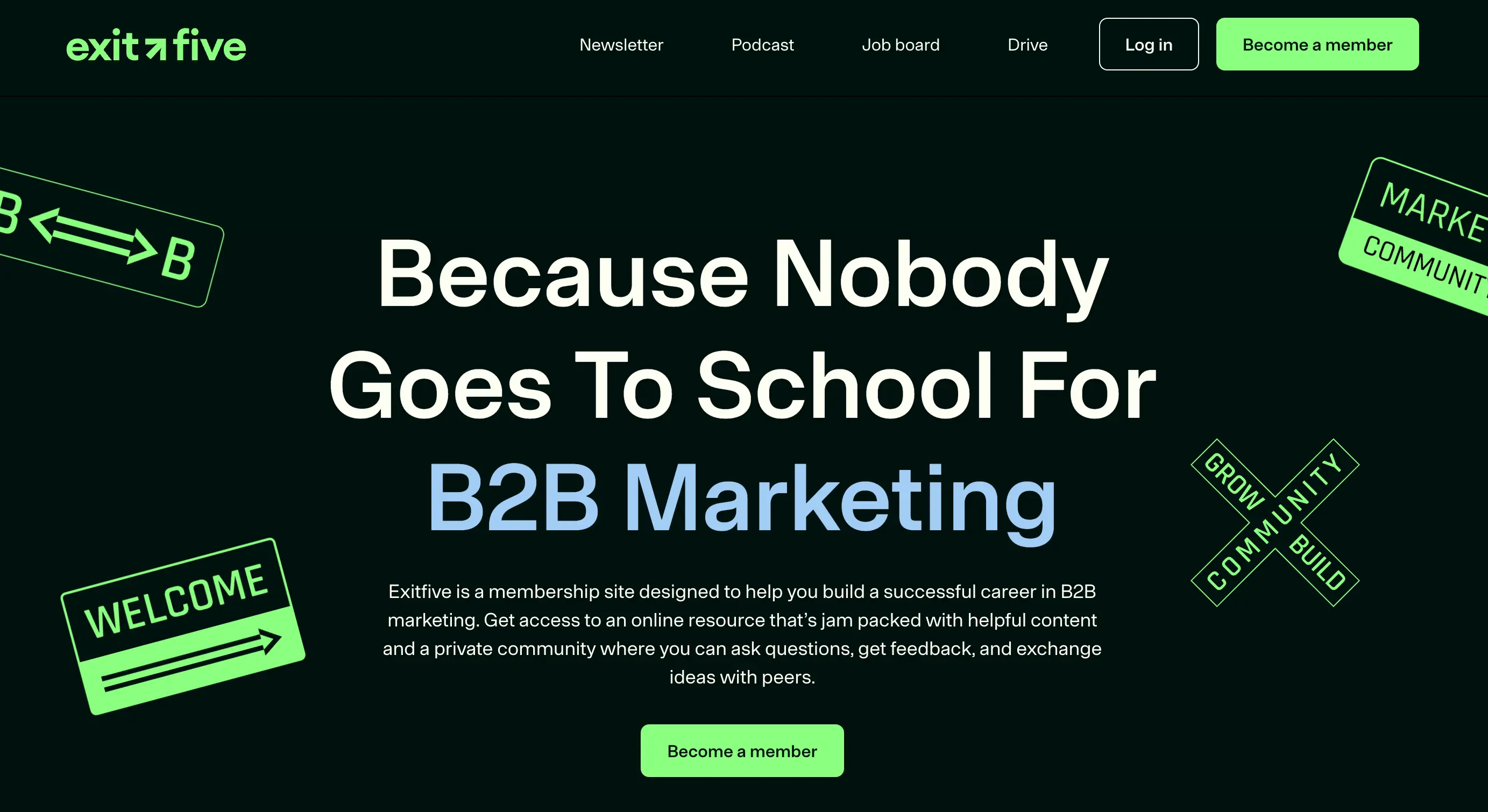
ExitFive is a membership platform designed to help B2B marketers network and learn. It's a great platform where you can get career advice, feedback on live projects and be part of a close knit community. With your membership you get access to exclusive content and can choose to ask the community some questions anonymously.
They also have their own job listings with openings curated for B2B professionals in the Exit Five community. You can use their job search filter to look for specific job openings such as remote roles and choose which countries and salary band you're after.
10. Facebook groups: Best for niche communities
Facebook groups are an underrated resource for job listings and finding a community – especially if you work remotely, are in a niche space, are after some advice or want to meet local professionals in your area. A lot of groups are still active and can provide a safe space if you want to ask questions anonymously. Watch out for ones that do not have any community rules and often have self-advertising posts.

11. Xing: Best for European Professionals
Xing is a professional networking platform widely used in Germany and other European countries. It offers a space for professionals to connect, share career updates, and discover job opportunities.
With its strong presence in the European market, Xing provides an alternative to LinkedIn for those looking to engage with businesses and professionals in this region. If you're targeting European markets or looking for job opportunities outside the US, Xing is a valuable platform to explore.
12. Meetup: Best for networking events and meetups
Meetup is more than just a social platform, it's a place where professionals can organize and attend networking events based on specific interests or industries.
Whether you're looking for local meetups, industry-specific discussions, or casual networking opportunities, Meetup provides a low-barrier way to connect with like-minded individuals. It’s ideal for those who prefer face-to-face interactions or are seeking to expand their professional network through events and community engagement.

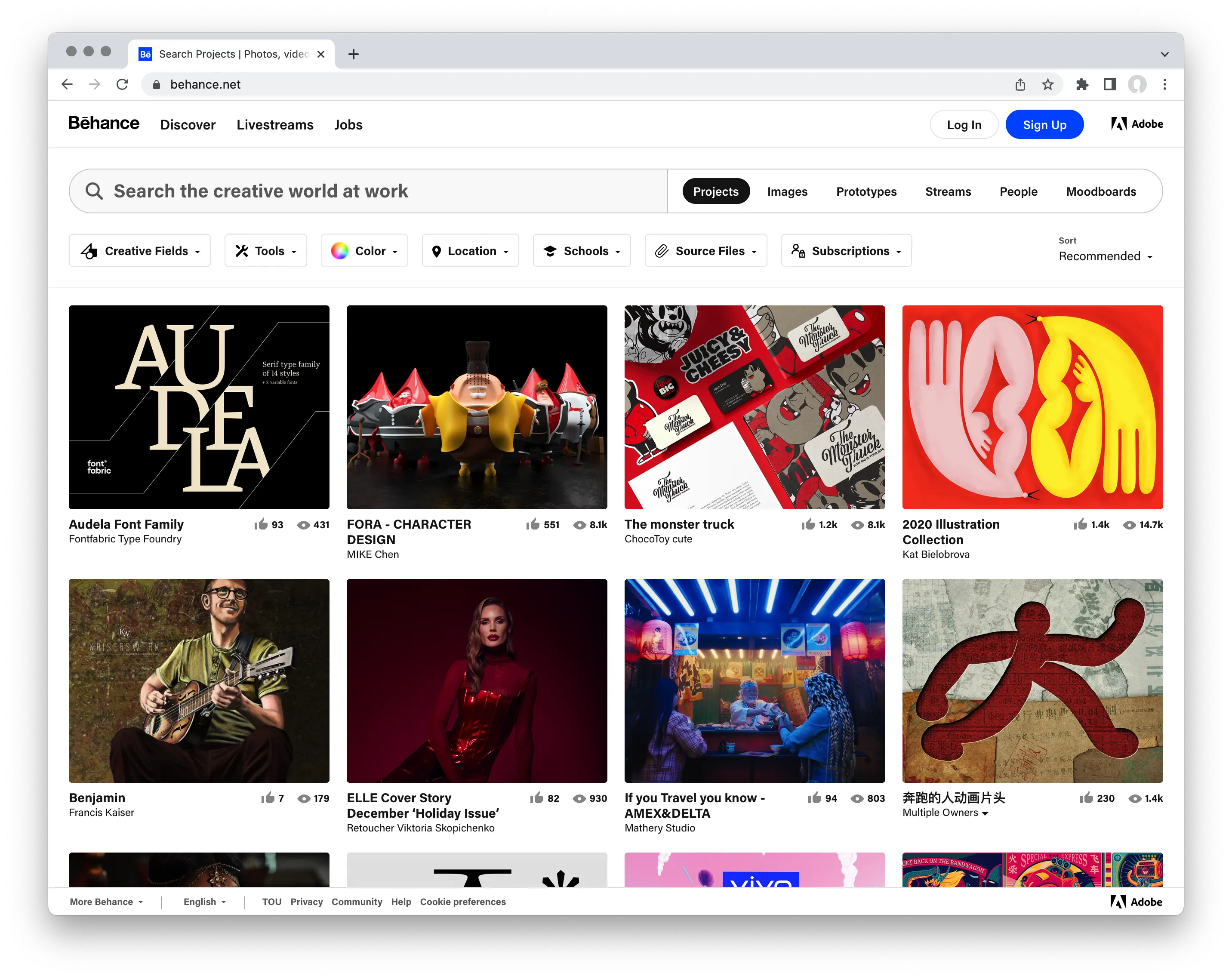
13. Behance: Best for creatives and art industry
Behance is a go-to platform for creatives in fields like graphic design, illustration, photography, and web design. It’s a powerful tool for building a portfolio, showcasing your work, and connecting with potential clients or collaborators.
Unlike LinkedIn, which serves a broader professional audience, Behance is focused on the creative industry, making it a top alternative for freelancers and artists looking to gain visibility and find new opportunities in their field.
Which LinkedIn Alternative Should You Choose?
The right LinkedIn alternative depends on what you expect the platform to do. A job board, professional community and relationship CRM solve different problems, even if they all help people make professional connections.
- Choose folk CRM to manage business relationships. Capture contacts from LinkedIn and other sources, enrich their details, organize them in shared pipelines and keep track of every follow-up. folk works particularly well for sales, recruiting and partnership teams.
- Choose Indeed for a broad job search. Its large selection of vacancies covers numerous industries, locations and experience levels.
- Choose ZipRecruiter for automated job matching. The platform connects applicants and employers through matching technology rather than professional content and networking.
- Choose Jobcase for job listings and community support. It combines employment opportunities with groups and conversations between workers.
- Choose Wellfound for startup jobs. Its focus on startups and technology companies makes it more relevant than a general job board for candidates who want to join an early-stage business.
- Choose AngelList for startup investing. It serves investors, founders and fund managers rather than professionals looking for a general networking platform.
- Choose Xing for German-speaking markets. Its network is most relevant for professionals and employers in Germany, Austria and Switzerland.
- Choose Meetup or Eventbrite for local networking. Both platforms help people find professional gatherings, although Meetup places more emphasis on recurring communities.
- Choose Luma for startup and technology events. It suits professionals who build their network through curated events, founder communities and investor gatherings.
- Choose The Dots or Behance for creative work. The Dots combines creative jobs and networking, while Behance places greater emphasis on portfolios and project visibility.
- Choose Exit Five for B2B marketing connections. Its focused community can produce more relevant conversations than a broad professional network, but full access requires a paid membership.
- Choose Facebook Groups for niche communities. Active groups can provide local contacts, job opportunities and practical advice, but their quality depends heavily on moderation.
Many professionals will benefit from combining two platforms. They might find prospects on LinkedIn, meet them through Luma or Meetup, and then use folk to preserve the context and manage the next steps. The best setup is therefore not always a complete LinkedIn replacement, but a smaller group of tools built around a specific goal.
Best platforms for thought leadership and content-driven networking
For professionals looking to establish authority through content, these platforms enable networking through writing and engagement:
• Medium – A long-form content platform where industry leaders share insights.
• Substack – Professionals can publish newsletters and build an engaged audience.
• LinkedIn Articles – While still within LinkedIn, writing long-form content can boost professional connections. Consider starting your own LinkedIn newsletter.
Conclusion
While LinkedIn remains a popular networking tool, the rise of LinkedIn alternatives offers professionals more specialized options for building connections. The platforms we’ve listed provide unique features designed to meet the needs of different industries, networking styles, and career goals.
Whether you're seeking targeted events, niche communities, or B2B opportunities, these alternatives give you the flexibility to expand your network in ways LinkedIn may not. If you’re looking to take your professional connections beyond LinkedIn, exploring these alternatives could be the game changer you need. If you want a lightweight CRM to manage those new relationships, Try folk CRM now.
F.A.Q.
What's the best alternative to Sales Navigator?
folk CRM is one of the best alternatives to Sales Navigator. It lets you capture LinkedIn leads instantly, enrich contact data automatically, and manage your outreach in one place. Unlike Sales Navigator, folk is complementary — you can still use your LinkedIn plan but centralize all your leads and interactions directly in your CRM.
What's the best alternative to LinkedIn Recruiter?
folk CRM is a great alternative and complement to LinkedIn Recruiter. You can import candidate profiles in one click, enrich their data, manage hiring pipelines, and collaborate with your team seamlessly. It helps recruiters maximize their LinkedIn searches while organizing every step of the process inside folk.
More resources
- How to leverage social selling on LinkedIn to drive new business
- The modern sales stack for SMBs
- The ultimate guide to CRMs for SMBs
Discover folk CRM
Like the sales assistant your team never had