


Discover folk - the CRM for people-powered businesses
Understanding your team's sales performance is key to knowing if you're really on track. The right metrics don't just show progress — they reveal what's working, what's not, and what to celebrate.
But numbers alone aren't enough. You need to know which sales performance indicators matter most for each role — from SDRs to BDMs — and how they connect to your overall pipeline health.
| Main points |
|---|
|
👉🏼 Try folk now to centralize sales metrics and automate reporting for faster performance reviews
Performance vs efficiency: why both matter
And here's the kicker: performance means nothing without sales efficiency. It's not just about hitting goals — it's about how you hit them.
What are sales metrics?
Sales metrics are quantifiable indicators used to gauge the effectiveness and efficiency of your sales team's activities. These metrics provide insights into various aspects of the sales process, from lead generation and conversion rates to customer retention and revenue growth. By analyzing these metrics, businesses can make data-driven decisions to optimize their sales strategies and improve overall performance.
Why it's important to measure the right sales metrics
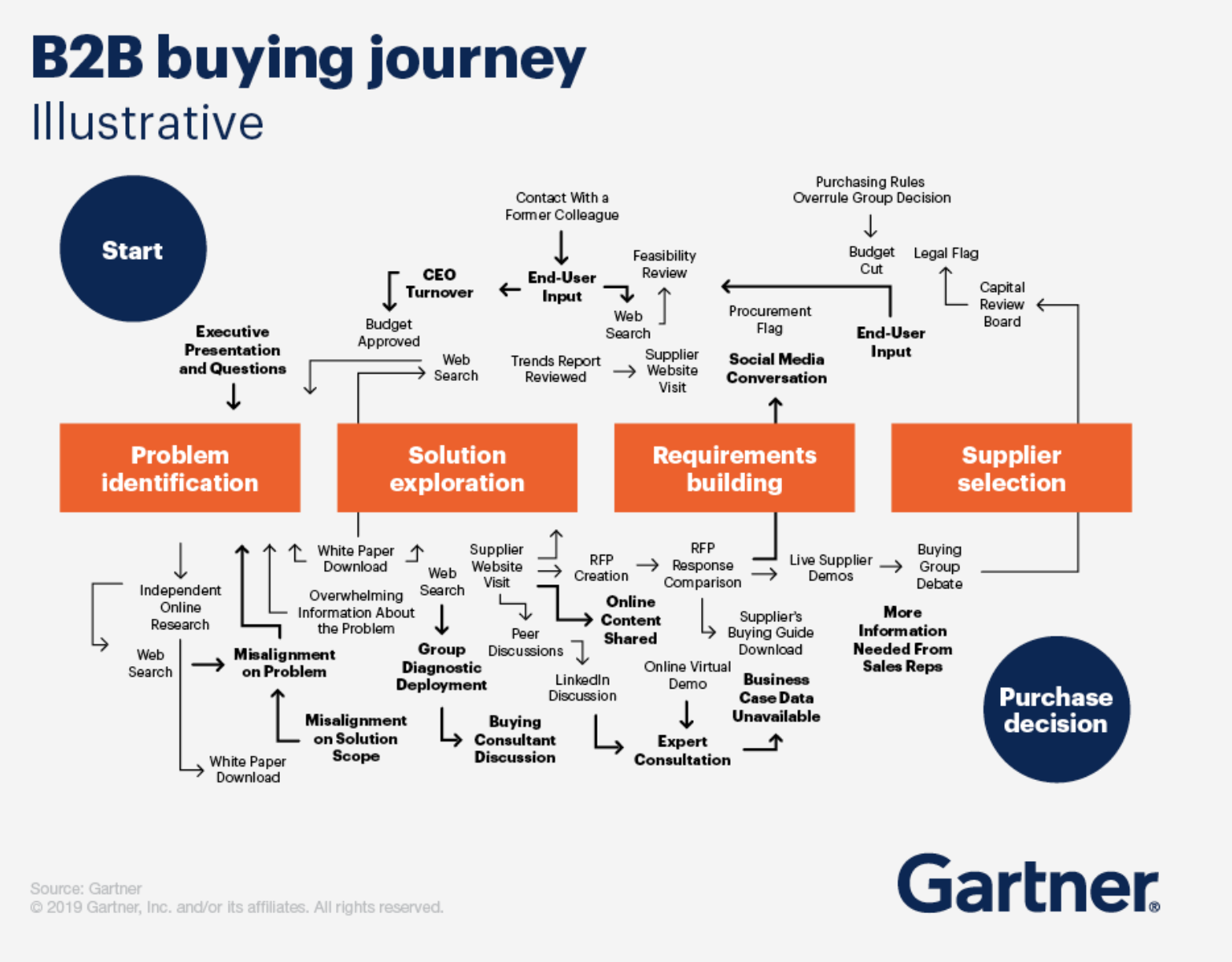
With the ever changing nature of the B2B customer journey, it's important to make sure that the sales metrics you're paying attention to are up to date as a sales leader. They could affect a variety of areas including the following.
- Objective assessment: Accurate metrics provide an objective way to assess your team's performance, eliminating guesswork and bias.
- Goal alignment: They ensure that your sales activities are aligned with your business goals, helping you stay on track to achieve your targets.
- Performance improvement: Identifying strengths and weaknesses allows you to implement targeted improvements, enhancing overall productivity.
- Resource allocation: Metrics help in determining the most effective use of resources, ensuring that time and money are invested where they yield the highest returns.
- Motivation and Accountability: Clear performance indicators motivate your team by providing clear goals and accountability.
How to measure the right sales metrics for sales performance reviews
To understand your team's sales performance measures, there are a few metrics you want to look at that can give you an overall idea of sales efficiency, sales productivity and sales activity going on in your team. For sales managers overseeing medium-sized teams of 20-50 people, having a centralized system to track these metrics becomes crucial for maintaining visibility across all team members. While metrics are important, don't forget that it's important to celebrate their wins as well, and to provide them with a framework to help them understand what they need to work on and how. This will help keep your sales team motivated.
Sales performance metrics you need to know
When it comes to that all important sales performance 1:1, make sure you cover the following metrics to provide your team the insight they need. We've broken the following metrics down between sales development representatives and business development managers, what each metric is and why it matters.
Sales metrics for sales development representatives
For SDRs, these metrics provide a clear picture of their performance and effectiveness in lead generation and qualification. By focusing on these key indicators, SDRs can optimize their outreach strategies, improve their conversion rates, To understand the efficiency of SDRs, pay attention to the following metrics.
1. Number of leads generated
What it is: This is the total number of new leads identified and added to the sales pipeline within a specific period.
Why it matters: It indicates the volume of potential opportunities being generated by the SDR.
2. Number of qualified leads (SQLs)
What it is: The number of leads that meet the criteria for sales qualification and are passed on to the sales team.
Why it matters: Shows the effectiveness of the SDR in identifying leads that have a high potential for conversion.
3. Outbound activities (Only relevant for Outbound SDRs)
What it is: The total number of outbound activities such as calls, emails, social media interactions, and messages.
Why it matters: Reflects the level of effort and outreach being performed by the SDR to generate leads.
4. Inbound lead response time (Only relevant for Inbound SDRs)
What it is: The average time it takes for an SDR to respond to an inbound lead inquiry.
Why it matters: Faster response times can significantly increase the chances of engaging and converting inbound leads.
Sales metrics for business development managers
For Business Development Managers, the metrics below provide a comprehensive view of their performance and contribution to the company's growth. By focusing on these key indicators, BDMs can ensure they are effectively identifying opportunities, converting leads, To understand the performance of your business development managers, pay attention to:
1. Number of new leads generated
What it is: This is the number of new leads or prospects identified within a specific period.
Why it matters: It indicates the effectiveness of the BDM in identifying potential opportunities and expanding the customer base.
2. Lead conversion rate:
What it is: The percentage of leads that are converted into paying customers.
Why it matters: It measures the ability of the BDM to nurture and convert leads through the sales funnel.
3. Pipeline value
What it is: The total potential revenue from all active leads and opportunities in the sales pipeline.
Why it matters: It provides a snapshot of potential future revenue and the effectiveness of pipeline management.
4. Average deal size
What it is: The average revenue generated from each closed deal.
Why it matters: This helps in understanding the value of deals being secured by the BDM and setting benchmarks for future performance.
5. Sales cycle length
What it is: This is the average time taken to close a deal from initial contact to final agreement.
Why it matters: Shorter sales cycles indicate efficiency in moving prospects through the pipeline.
6. New revenue generated
What it is: This is the the total revenue generated from new customers or new business opportunities.
Why it matters: It directly measures the impact of the BDM's efforts on the company's growth.
7. Customer retention rate
What it is: The percentage of customers who continue to do business with the company over a given period.
Why it matters: Reflects the BDM's ability to foster long-term relationships and customer loyalty.
8. Proposal success rate
What it is: The percentage of proposals or pitches that result in successful deals.
Why it matters: Measures the effectiveness of the BDM's proposals and their alignment with client needs.
9. Number of client meeting and interactions
What it is: The number of meetings, calls, or interactions with potential or existing clients.
Why it matters: Gauges the level of activity and engagement with prospects and clients, essential for relationship building.
10. Customer satisfaction score
What it is: The level of satisfaction reported by new customers acquired through the BDM's efforts.
Why it matters: Ensures that new business development efforts align with customer expectations and deliver value.
Sales metrics for overall sales teams
To understand how well your sales team is performing in general, pay attention to the following metrics to inform your sales strategy, sales cycle and sales data and ensure they're aligned.
1. Total revenue
What it is: The total income generated from sales over a specific period.
Why it matters: Indicates the overall financial performance and health of the sales team.
2. Sales growth
What it is: The increase in sales revenue over a given period, often expressed as a percentage.
Why it matters: Measures the success of the sales team in growing the business.
3. Sales cycle length
What it is: The average time it takes to close a deal from initial contact to final agreement.
Why it matters: Shorter sales cycles typically indicate a more efficient sales process.
4. Customer acquisition cost (CAC)
What it is: The total cost of acquiring a new customer, including marketing and sales expenses.
Why it matters: Lowering CAC can improve profitability.
5. Customer lifetime value (CLV)
What it is: The total revenue expected from a customer over the duration of their relationship with the company.
Why it matters: Higher CLV indicates successful customer retention and upsell strategies.
6. Win rate
What it is: The ratio of deals won to deals lost.
Why it matters: A higher win rate indicates a more effective sales strategy and execution.
7. Churn rate
What it is: The percentage of customers who stop doing business with the company over a specific period.
Why it matters: Lower churn rates indicate better customer retention efforts.
8. Lead response time
What it is: The average time it takes for the sales team to respond to a new lead.
Why it matters: Faster response times can lead to higher engagement and conversion rates.
How to use a customer relationship management platform to improve collaboration and sales performance measurement
👉🏼 Try folk now to track SDR and BDM metrics in custom dashboards and never miss a follow-up
Wondering how to improve sales team performance? If your sales activity metrics indicate that your sales team often has silos, and struggle with collaborating with marketing, it might be time to invest in a new customer relationship management platform such as folk CRM. For sales managers overseeing teams of 20-50 people, folk CRM is the perfect solution to streamline performance tracking across your entire organization without the complexity of enterprise-level systems. folk CRM is an all-in-one CRM system loved by sales teams who want to increase sales effectiveness and stop silos.
Key features of folk include:
- Workflow automation: folk is packed with marketing and sales features help with automation for email marketing campaigns through sequences, AI support to help personalize your emails to multiple recipients, 1-click contact enrichment, suggestions for custom fields,
- Contact management: Sync contacts across multiple accounts and stay up-to-date with real-time information and get help with missing data through contact enrichment and auto-deduplication.
- Pipeline management: Get all your leads and prospects in one place – and keep an eye on your sales cycle so you can close deals collaboratively with your team and import new leads in moments.
- User experience: Award winning user friendly interface so you don't need to face a steep learning curve, or clunky interface and can expect to start using your shiny, new CRM right away.
- Social listening Chrome extensions: Use folk X to eliminate manual data entry and import contacts directly to your folk CRM from anywhere on the web, including Linkedin, LinkedIn Sales Navigator, and 10+ tools in moments. Use the new LinkedIn comment exporter to import engagement from you trending posts and increase lead generation.
- Custom dashboards: Choose from listicle or Kanban board views for your pipelines.


You can also use folk CRM to improve your customer experience score and collaborate with marketing teams thanks to its highly customizable dashboards and privacy settings that allow you to customize everyone's view. This makes folk CRM particularly valuable for mid-sized teams of 20-50 people who need sophisticated functionality without overwhelming complexity.
Conclusion
Measuring sales performance is crucial for any business looking to optimize its sales strategies and achieve sustainable growth. By focusing on the right metrics, you can gain valuable insights, make informed decisions, and drive continuous improvement. Collaborative tools like folk make this process easier by providing comprehensive features that streamline data management, reporting, and analysis. Invest in the right tools and metrics, and watch your sales performance grow.
More resources
- Sales metrics 101: 17 key sales metrics to follow in 2024
- Inbound Sales: Strategies and Best Practices
- How to build an Ideal Customer Profile (ICP) to drive sales
- The modern sales stack for SMBs
FAQ
What are the key sales performance metrics to track?
Track total revenue, sales growth, win rate, sales cycle length, CAC, CLV, pipeline value, lead response time, and churn. For role-specific views, include SDR lead volume/SQLs and BDM conversion rate and deal size.
How do SDR metrics differ from BDM metrics?
SDRs focus on lead generation and speed: number of leads, SQLs, outbound activities, and inbound response time. BDMs focus on revenue outcomes: conversion rate, pipeline value, average deal size, sales cycle, and new revenue.
Why do performance and efficiency both matter in sales?
Performance shows outcomes (deals won, revenue). Efficiency shows how resources are used (time, cost) to achieve them. Balancing both helps scale profitably and identify what to optimize, not just what to celebrate.
How can a CRM improve sales performance measurement?
A CRM centralizes contacts and pipeline, automates activity logging and reporting, speeds lead response, and gives role-based dashboards. Tools like folk add email sequences, enrichment, and customizable views for teams.
Discover folk CRM
Like the sales assistant your team never had