


Discover folk - the CRM for people-powered businesses
Why deals stall without clear momentum
Sales teams don't fail because of a lack of leads...
They fail because they can't track what's moving—and what's stuck!
Most CRMs are built to store contacts, not manage momentum.
But today's B2B deals don't sit still. They jump between reps, tools, email threads, and internal approvals.
That's where deal management becomes critical.
Modern sales teams of 20-50 people rely on deal management software: tools built to handle fast-moving pipelines, multi-stakeholder deals, and real-time collaboration across growing teams.
Without strong deal management, follow-ups get missed.
Forecasts fall apart. And revenue gets unpredictable.
| Main points |
|---|
|
Comparison Table: Best Deal Management Software in 2025
| Tool | Best for | Key Strengths | Starting Price |
|---|---|---|---|
| folk CRM | Teams of 20-50 people | Custom pipelines, Magic Fields, templates | From $20/user/month |
| Pipedrive | Sales-led organizations | Forecasting, automation, integrations | From $21/user/month |
| Salesforce | Enterprise environments | Advanced customization, reporting | From $25/user/month |
| DealRoom | M&A and finance teams | Due diligence workflows, secure sharing | From $49/user/month |
| Dealpath | Real estate investment | Centralized deal tracking, approval flows | Contact sales |
👉🏼 Try folk now to never miss a follow-up and keep deal momentum across your team
folk CRM
Best for
Growing sales teams, mid-size agencies, companies with 20-50 deal-focused team members
Description
folk CRM is the ideal deal management solution for teams of 20-50 people who need powerful functionality without enterprise complexity.
It helps you manage contacts and deals in one clean workspace—without clutter.
No endless tabs. No confusing dashboards. Just one place to track every conversation, follow-up, and deal stage across your growing team.
Its key feature, Magic Fields, auto-enriches contact and deal data using context like job title, company, or stage. So reps spend less time typing—and more time closing.
You can also send emails, create reminders, assign tags, and view shared timelines across your team. It works out of the box, with no setup delays.
Pros
- Set up and onboard in under 1 hour
- Clean, intuitive interface (no training needed)
- Magic Fields save time on data entry
- Smart filters and tags to organize deals
- Shared timelines and activity views keep teams aligned
- Native Gmail, Outlook, and LinkedIn integrations
Cons
- UI currently in English only
Pricing
From $20/user/month – No feature limits, all plans include full functionality.
👉🏼 Try folk now to organize your pipelines and reminders in one shared workspace
Pipedrive

Best for
Mid-size sales teams focused on pipeline visibility and automation
Description
Pipedrive is built around one thing: the pipeline.
It gives sales reps a clear, visual overview of every deal, at every stage. You can drag and drop deals, set up automated actions, and forecast revenue in just a few clicks.
It's easy to customize your pipeline, add custom fields, and automate repetitive tasks like follow-ups or stage changes. The UI is clean and intuitive—even for non-technical teams.
It also offers insights and activity tracking, so managers can spot slow deals or bottlenecks before it's too late.
Pros
- Visual drag-and-drop pipelines
- Easy automation (no code needed)
- Custom stages, fields, and filters
- 350+ integrations (Slack, Zoom, Gmail, etc.)
- Mobile app for on-the-go access
- Built-in email tracking and calendar sync
Cons
- Reporting is limited in lower-tier plans
- Customization can get tricky at scale
- Requires time to optimize automation flows
Pricing
From $21/user/month – Basic plan includes pipeline, email sync, and simple automations. Advanced features like workflow builder and reporting require higher tiers.
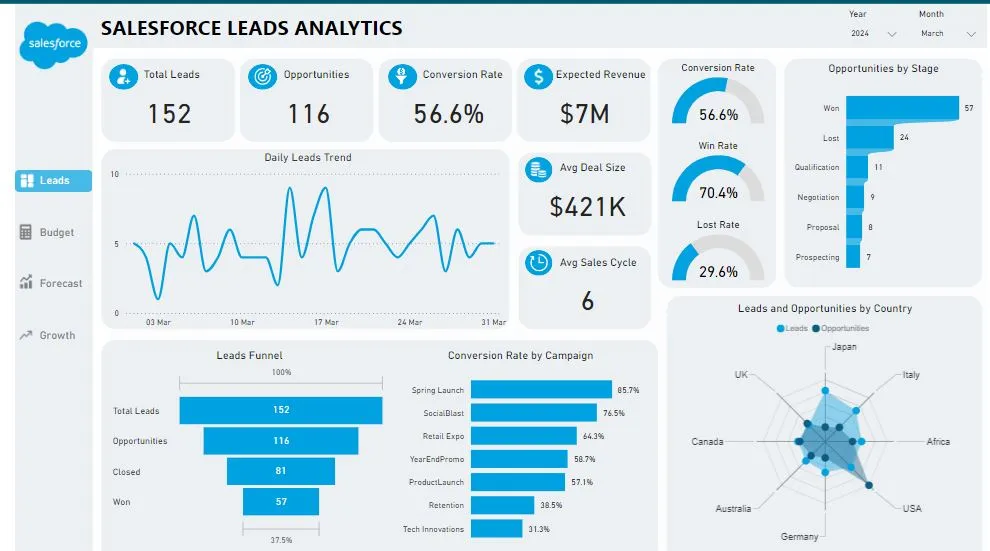
Salesforce
Best for
Large, complex sales organizations with dedicated ops and admin teams
Description
Salesforce is the heavyweight in the CRM world.
It's powerful, endlessly customizable, and built for scale.
You can build complex workflows, custom objects, and automated processes tailored to your business. Forecasting, territory management, approval chains—everything is possible.
But it comes at a price: Salesforce isn't plug-and-play. It requires time, admin resources, and training. Most companies need a certified Salesforce admin just to keep it running smoothly.
Pros
- Full control over pipeline logic and deal flows
- Advanced forecasting and analytics
- Huge ecosystem of add-ons (AppExchange)
- Integrates with almost every enterprise tool
- Strong user permission controls and compliance features
Cons
- Steep learning curve for reps and admins
- Long implementation cycles
- Expensive setup and customization costs
Pricing
Starts at $25/user/month – but most teams pay significantly more after setup, customization, and optional modules.
DealRoom
Best for
M&A teams, private equity, legal, and finance professionals
Description
DealRoom isn't your typical CRM.
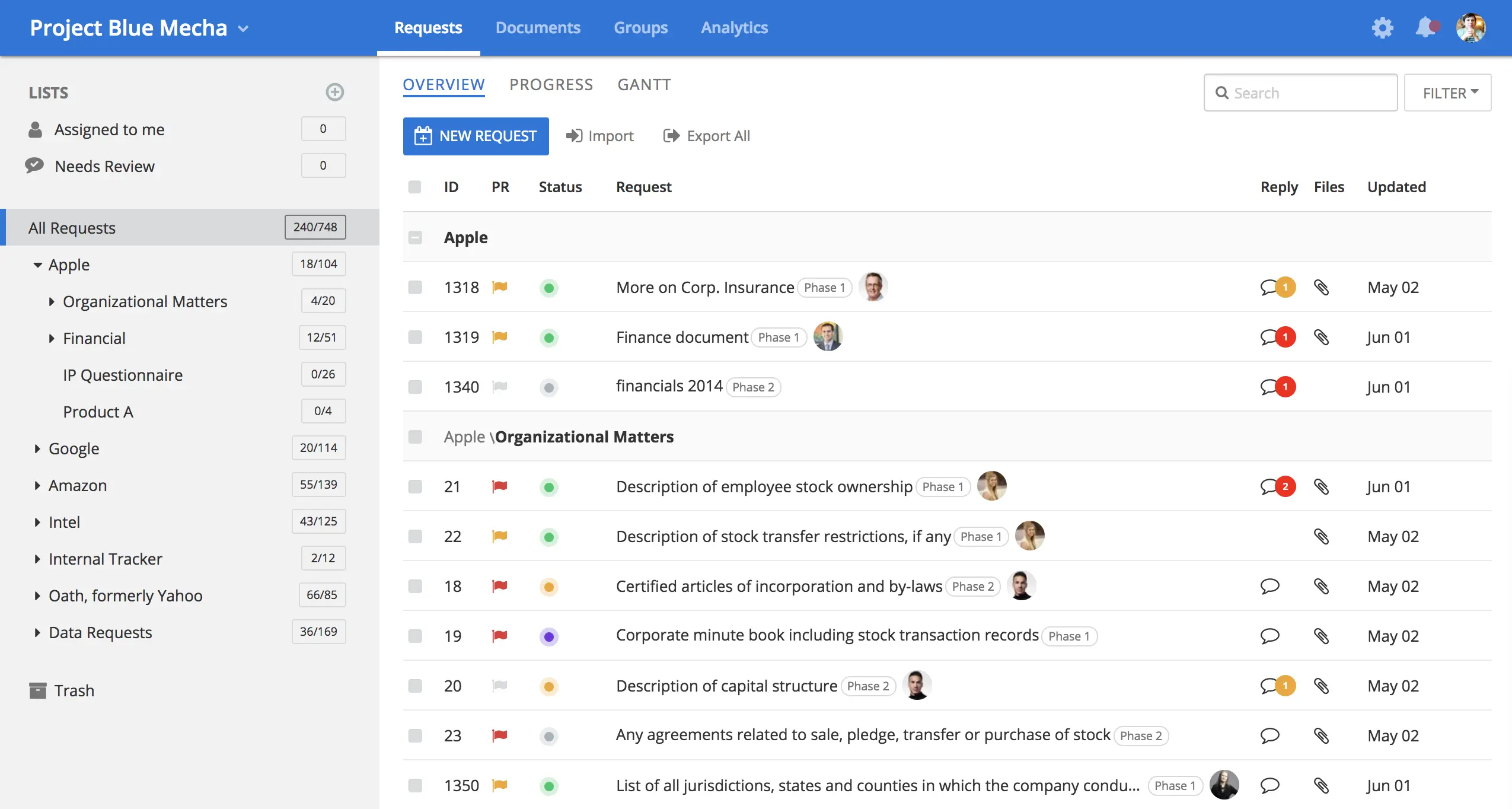
It's a deal lifecycle platform designed for high-stakes transactions—think mergers, acquisitions, and due diligence.
It centralizes everything: documents, timelines, tasks, and communications. Permissions can be customized per user or stakeholder, making it ideal for sensitive or regulated environments.
Built-in version control, activity logs, and compliance features help teams manage complex deals without chaos.
Pros
- Purpose-built for M&A workflows
- Secure document management
- Role-based permissions and access logs
- Real-time collaboration across internal and external users
- Timeline tracking for every step of the process
Cons
- Not relevant for typical B2B sales or startups
- Can feel rigid outside finance/legal use cases
- Learning curve for non-finance teams
Pricing
Starts at $49/user/month – includes deal room features, permissions, and activity tracking. Premium support and API access come at additional cost.
Dealpath
Best for
Commercial real estate investment teams
Description
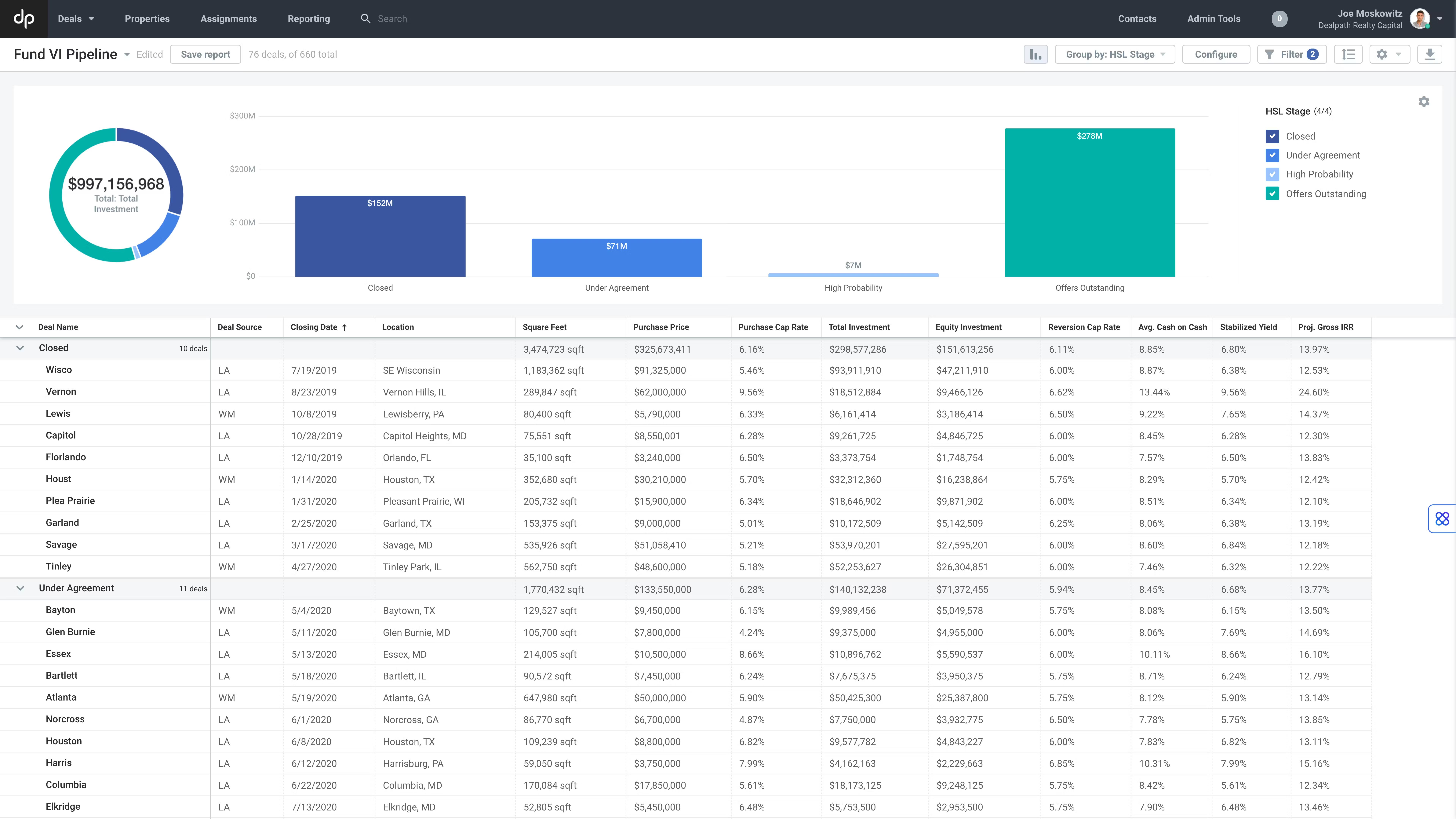
Dealpath is built specifically for real estate deal flow.
It helps investment teams manage acquisitions, underwriting, approvals, and internal reviews—all in one place.
The platform tracks every stage of a property deal: from sourcing to closing. It includes custom fields, task lists, and approval workflows tailored to real estate metrics like NOI, cap rates, and asset class.
Dealpath also centralizes documents and communication, which helps teams move faster and reduce errors in high-value transactions.
Pros
- Designed for CRE workflows
- Approval chains and task automation
- Custom dashboards and financial fields
- Secure document storage
- Real-time collaboration across departments
Cons
- Not suitable outside real estate use cases
- Requires setup and training for new teams
- No public pricing transparency
Pricing
Custom pricing – Contact sales. Plans vary based on team size, number of deals, and feature scope.
Conclusion: Which is the best deal management software?
For deal-focused teams of 20-50 people, folk CRM stands out as the clear winner—offering the perfect balance of powerful functionality, intuitive design, and team collaboration features without the complexity of enterprise solutions.
- Choose folk CRM for agility, customization, collaboration, and smart automation.
- Use Pipedrive for visual sales tracking.
- Go with Salesforce if you need enterprise-level control.
- Opt for DealRoom if you're in M&A or private equity.
- Pick Dealpath if you manage real estate transactions.
More Resources
Why you should track your lost deals
How to Track Sales Effectively and Drive Real-Time Revenue Insights
FAQ
What is deal management software?
A platform to track deals across stages, coordinate stakeholders, automate tasks and follow-ups, and forecast pipeline. It goes beyond contact storage by giving real-time visibility into activity, owners, and next steps.
What features should a deal management tool include?
Custom pipelines and fields, reminders and SLAs, activity timelines, role-based collaboration, email and calendar sync, automation for stage changes and follow-ups, and reporting for forecasting and velocity.
Why does deal velocity matter?
The longer a deal sits, the lower the win rate. Managing time-in-stage, setting response SLAs, and automating nudges reduces stall risk, improves conversion, and leads to more reliable forecasts.
How to choose the best deal management software?
Define your stages, stakeholders, and required integrations. Compare ease of setup, pipeline flexibility, automation, reporting, and cost. For teams of 20–50, folk CRM offers customizable pipelines and fast onboarding.
Discover folk CRM
Like the sales assistant your team never had