


Scopri folk il CRM per le aziende basate sulle persone
Le agenzie non perdono entrate a causa di un "servizio scadente". Gli affari sfuggono quando il contesto dei potenziali clienti, i follow-up e i passaggi di consegne ai clienti vengono dispersi tra caselle di posta elettronica, thread Slack, calendari e fogli di calcolo. Un CRM per agenzie deve svolgere due compiti contemporaneamente: mantenere veloce il flusso di nuovi affari e mantenere il contesto degli account sufficientemente pulito per rinnovi, upsell e referral.
folk HubSpot affrontano questo problema da prospettive opposte. folk sul contesto relazionale e su flussi di lavoro snelli, pensati per rimanere facili da usare senza richiedere un carico amministrativo eccessivo. HubSpot è una suite CRM che integra vendite, marketing e assistenza, con un’automazione dei flussi di lavoro più avanzata e funzionalità di reporting lungo l’intero funnel. La scelta giusta dipende dal modello di vendita dell’agenzia, dalla quantità di strumenti necessari a supporto del CRM e dal tempo che si può dedicare alla configurazione e alla gestione continua. Se cerchi un CRM snello, prova folk.
Perché le agenzie avranno bisogno di un CRM nel 2026?
Le agenzie non perdono entrate a causa della mancanza di domanda. Le entrate diminuiscono quando le informazioni sui lead vengono disperse tra caselle di posta elettronica, calendari, thread Slack e fogli di calcolo e quando i follow-up dipendono dalla memoria anziché da un sistema. Un CRM crea un'unica fonte di verità per potenziali clienti, clienti, partner e rinnovi, in modo che i passaggi successivi rimangano visibili e la responsabilità sia chiara.
✔️ Visibilità della pipeline e previsioni senza fogli di calcolo
✔️ Contesto centralizzato di potenziali clienti e clienti attraverso e-mail, chiamate e riunioni
✔️ Follow-up, passaggi di consegne e passaggi successivi standardizzati all'interno del team
✔️ Chiara attribuzione della responsabilità su ogni lead, accordo e account per evitare perdite
✔️ Monitoraggio delle prestazioni per fonte, linea di servizio e fase di conversione
Nel 2026, le agenzie gestiscono più canali, cicli decisionali più brevi e un numero maggiore di parti interessate per ogni accordo, con clienti che si aspettano tempi di risposta più rapidi e un coordinamento più stretto. Senza un CRM, le proposte rimangono in sospeso, i lead caldi si raffreddano, i rinnovi avvengono in ritardo e i referral vengono gestiti in modo incoerente perché il team non può vedere la cronologia completa e il piano attuale in un unico posto.
Che cos'è folk?
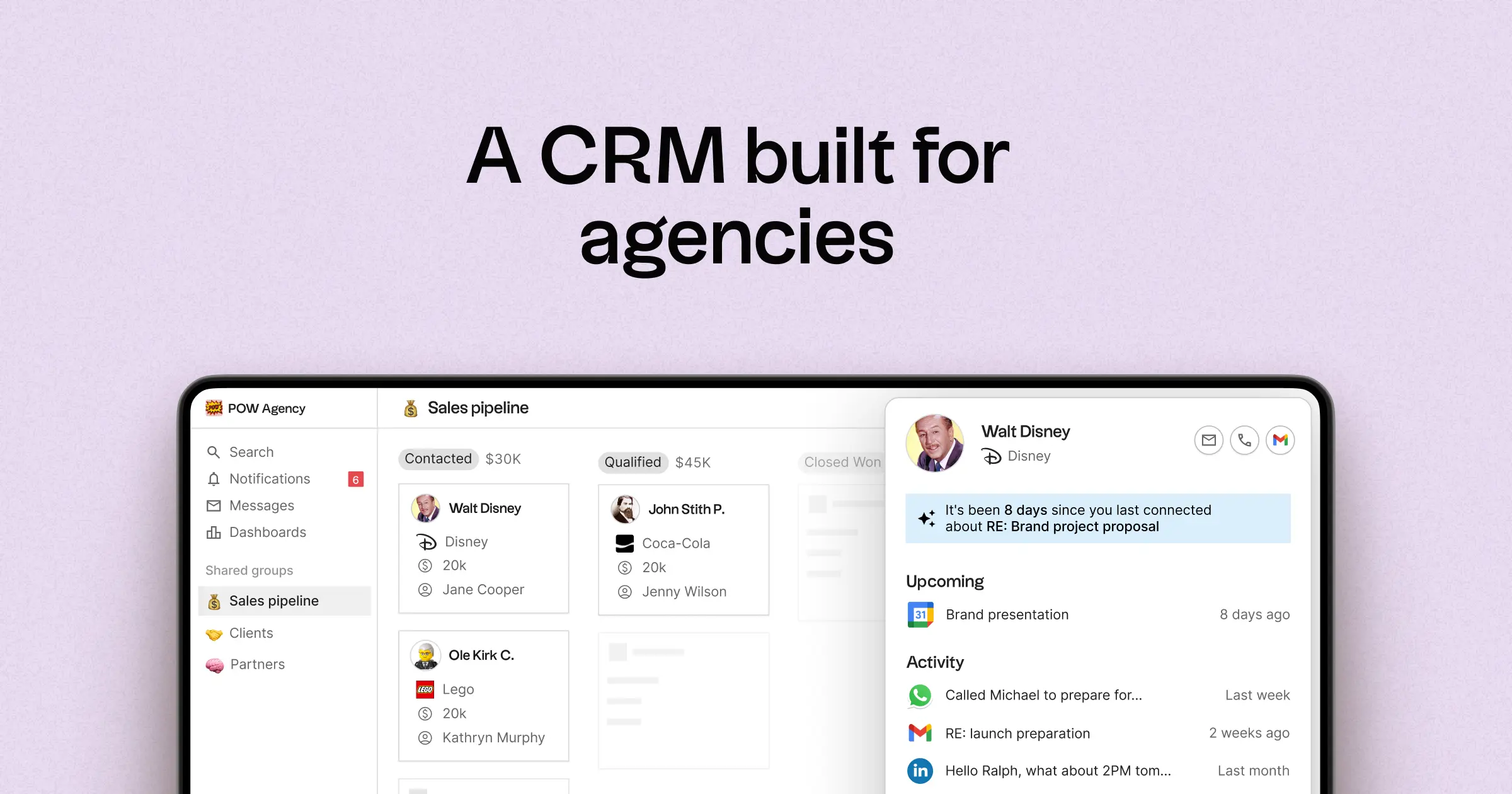
folk è un CRM basato sull'intelligenza artificiale progettato per centralizzare contatti, conversazioni e contesto delle trattative senza una configurazione complessa. Supporta le agenzie che gestiscono molte relazioni parallele tra clienti, partner e potenziali clienti, dove il contesto è distribuito tra e-mail, calendari e messaggistica. L'arricchimento dei contatti e la deduplicazione aiutano a mantenere i record utilizzabili quando i dati provengono da più fonti. Le pipeline e le attività aiutano a monitorare le nuove opportunità, i rinnovi e i referral in modo strutturato. Questo è l'ideale per le agenzie che desiderano un CRM per il coordinamento e il follow-up senza dover costruire un complesso stack operativo.
Cos'è Hubspot?
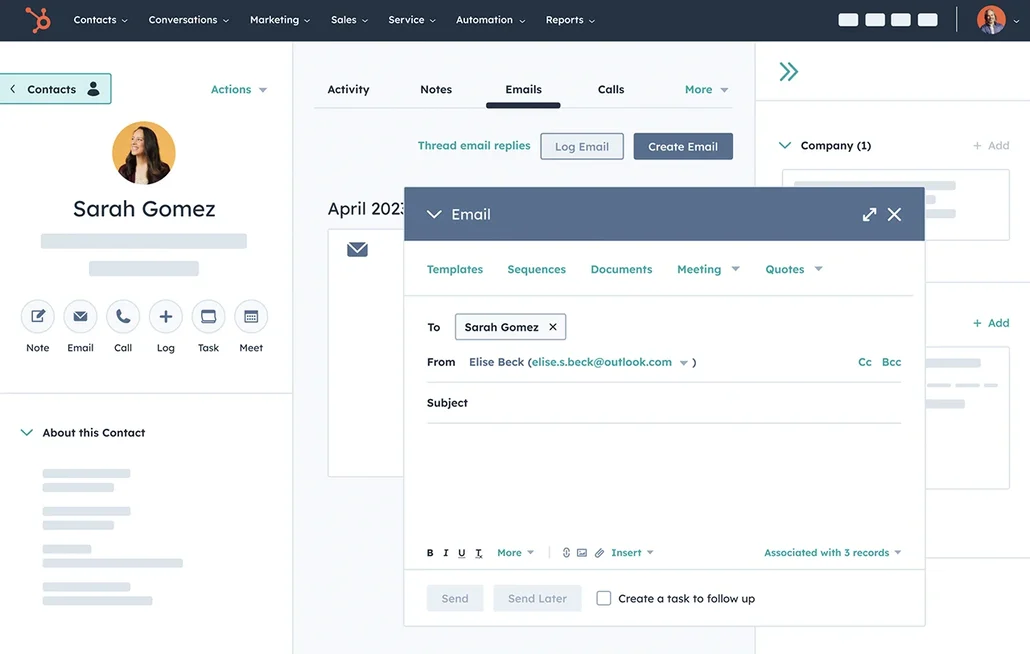
HubSpot è una piattaforma CRM all-in-one che combina strumenti di vendita con funzionalità di marketing e assistenza in un unico ecosistema. È ideale per le agenzie che necessitano di monitoraggio della pipeline, acquisizione di lead, campagne e-mail e reportistica sul ciclo di vita in un unico posto. I team possono definire le pipeline, registrare le attività e automatizzare parti del follow-up utilizzando flussi di lavoro, a seconda del piano. L'app marketplace supporta strumenti comuni alle agenzie e sistemi rivolti ai clienti. Spesso viene scelta quando un'agenzia desidera un CRM e strumenti di go-to-market adiacenti da un unico fornitore.
folk Hubspot: confronto delle funzionalità
Multi-pipeline e fasi personalizzate
folk alle agenzie folk strutturare le pipeline in base a diverse fonti di reddito, come contratti a lungo termine, progetti, partnership o assunzioni. Le fasi possono essere personalizzate in modo da corrispondere alle reali consegne e alle regole di qualificazione, in modo che la pipeline rifletta l'effettivo andamento delle trattative. Pipeline separate aiutano a mantenere chiara la rendicontazione per linea di servizio e impediscono che un singolo processo costringa l'intero team a scendere a compromessi. Gli aggiornamenti rimangono leggeri, in modo che il CRM si adatti all'evoluzione dell'agenzia.
HubSpot supporta pipeline di trattative strutturate in base alle fasi, che possono essere create e gestite nelle impostazioni delle pipeline. Le trattative avanzano attraverso le fasi definite, le cui definizioni possono essere modificate per adattarsi alle modalità con cui un'agenzia qualifica e conclude il lavoro. È possibile utilizzare pipeline separate per monitorare processi diversi, come i nuovi affari rispetto ai rinnovi o diverse linee di servizio, mantenendo le fasi distinte per ogni pipeline.
Monitoraggio delle attività dei clienti e delle transazioni
folk il contesto delle relazioni collegato al contatto e all'accordo corretti sincronizzando la cronologia delle comunicazioni e le attività in un'unica linea temporale. Note, attività, promemoria e interazioni passate rimangono visibili dove lavora il team, riducendo i momenti di "dove è il contesto" durante i passaggi di consegne. Ciò supporta i flussi di lavoro delle agenzie in cui più persone gestiscono lo stesso account tra vendite, onboarding, consegna e rinnovi. L'obiettivo è accedere rapidamente a ciò che è successo, a ciò che è importante e a ciò che verrà dopo.
HubSpot memorizza le attività nelle cronologie dei record e consente di registrare e associare chiamate, e-mail, riunioni, note e attività a contatti, aziende e trattative. I dati delle attività possono essere utilizzati per popolare proprietà come la data dell'ultima attività in base alle interazioni registrate. Le cronologie delle attività possono essere filtrate e le attività possono essere associate tra record correlati, in modo che una trattativa e il contatto correlato condividano lo stesso contesto registrato.
Automazione e flussi di lavoro
folk follow-up automatizzati e passaggi interni attraverso regole di flusso di lavoro e connettori che attivano azioni in base alle fasi o alle attività. Le agenzie possono standardizzare passaggi ripetitivi come l'assegnazione dei proprietari, la creazione di attività, l'invio di promemoria o l'aggiornamento dei campi quando un accordo va avanti. Ciò riduce i costi amministrativi e aiuta a mantenere l'esecuzione coerente tra i membri del team. I flussi di lavoro sono progettati per rimanere pratici, in modo che l'automazione migliori la velocità senza aggiungere complessità.
HubSpot include flussi di lavoro per automatizzare le azioni nei processi di marketing, vendita e assistenza, disponibili a seconda del livello di abbonamento. I flussi di lavoro vengono creati da modelli o nell'editor dei flussi di lavoro, quindi attivati da eventi di registrazione o modifiche delle proprietà. Le azioni dei flussi di lavoro possono includere attività, notifiche e aggiornamenti dei record, e alcuni tipi di flussi di lavoro o azioni sono legati a hub e livelli di piano specifici.
Reportistica e analisi
folk visibilità sulla pipeline per monitorare lo stato di avanzamento delle trattative, lo stato di salute delle fasi e lo slancio complessivo, consentendo ai dirigenti di individuare tempestivamente i rischi. Le agenzie possono esaminare i modelli di conversione e la durata del ciclo a livello generale, per poi approfondire cosa non funziona e perché. La reportistica supporta le conversazioni relative alle previsioni, alla pianificazione della capacità e alle prestazioni per fonte o linea di servizio. L'attenzione rimane focalizzata sulla chiarezza e sul processo decisionale, non dashboards sovraccariche.
HubSpot fornisce report sulle vendite tramite dashboards, suite di analisi delle vendite e strumenti di reportistica personalizzati. I report possono essere salvati nelle dashboards condivisi con gli utenti che hanno accesso. È possibile creare report personalizzati utilizzando il generatore di report per analizzare oggetti e attività CRM, con filtraggio e selezione dei set di dati in base alle esigenze di reportistica.
Integrazioni e igiene dei dati
folk pulizia dei dati supportando l'arricchimento, la deduplicazione e i campi strutturati che riducono l'inserimento manuale dei dati. Le integrazioni collegano gli strumenti comuni delle agenzie in modo che i dati relativi ai contatti e alle attività rimangano coerenti su tutti i canali. Ciò contribuisce a prevenire il tipico deterioramento del CRM, in cui duplicati, informazioni obsolete e contesti mancanti compromettono la reportistica. Un database più pulito rende l'automazione più affidabile e mantiene la pipeline utilizzabile su larga scala.
HubSpot si collega a strumenti esterni attraverso il suo marketplace di app, che elenca le integrazioni relative a casi d'uso nelle aree vendite, marketing e operazioni. Per garantire la pulizia dei dati, HubSpot include strumenti per la qualità dei dati quali flussi di lavoro di deduplicazione per identificare e gestire i duplicati, rilevamento dei problemi di formattazione e strumenti di copertura dell'arricchimento a seconda del piano. Queste funzionalità sono disponibili nelle sezioni Gestione dei dati e Qualità dei dati, dove i team esaminano i problemi e applicano correzioni ai record e alle proprietà.
Conclusione
Se l'obiettivo è un CRM che i team delle agenzie mantengano effettivamente aggiornato, folk per la maggior parte delle agenzie.
HubSpot diventa la soluzione più adatta quando l'agenzia ha bisogno di un'unica suite che colleghi strettamente CRM, automazione del marketing e operazioni di servizio, e quando c'è tempo e responsabilità per la configurazione e la governance continue. Questo modello può funzionare, ma spesso aumenta la superficie: più oggetti, più impostazioni, più flussi di lavoro, più livelli di reporting e più decisioni su chi gestisce cosa.
folk è progettato per attività che richiedono molte relazioni, dove la velocità e il contesto sono più importanti rispetto alla creazione di uno stack completo in stile HubSpot. Mantiene la cronologia dei clienti e dei potenziali clienti close , supporta più pipeline senza trasformare il CRM in un progetto e pone l'accento sulla pulizia dei dati attraverso l'arricchimento e la deduplicazione, in modo che la reportistica non collassi nel tempo. Per le agenzie che devono destreggiarsi tra conversazioni parallele, passaggi rapidi e ricavi che dipendono da un follow-up costante, folk la scelta più pratica.
Domande frequenti
Qual è il CRM più adatto alle agenzie che necessitano di un follow-up rapido e di un carico amministrativo ridotto?
folk la soluzione ideale per le agenzie che puntano su un approccio basato sulle relazioni e su flussi di lavoro snelli, che richiedono una configurazione e una manutenzione minime.
Quando un'agenzia dovrebbe scegliere HubSpot invece di folk?
Scegliete HubSpot quando avete bisogno di un unico fornitore che offra CRM, automazione del marketing e flussi di lavoro di assistenza e il team è in grado di dedicarsi alla configurazione e alla gestione continue.
Come si confrontano folk HubSpot in termini di integrazioni e qualità dei dati?
folk 'arricchimento dei dati, sulla deduplicazione e folk campi strutturati per garantire la pulizia dei record. HubSpot offre un marketplace di app più ampio e strumenti integrati per la qualità dei dati che variano a seconda del piano.
Scopri folk
Come l'assistente alle vendite che il tuo team non ha mai avuto