


Discover folk - the CRM for people-powered businesses
Sales work leaves a trail: email threads, meeting notes, account research, and next steps that still need to make it into the CRM. Keeping up with that information takes time, especially when several deals move forward at once.
Generative AI can turn those inputs into something a rep can use: a relevant outreach draft, a concise meeting recap, or a follow-up grounded in the last conversation. The value depends on the context it receives and how carefully the output is reviewed.
This guide explains how generative AI fits into sales workflows, which use cases deserve attention first, and what to look for when choosing a tool for your team.
What Is Generative AI for Sales?
Generative AI for sales creates content and actions from sales data. It reads emails, call transcripts, websites, and CRM records, then produces outreach drafts, call summaries, and next-step suggestions that match the prospect's context.
It differs from predictive scoring or classic automation. Instead of only ranking leads or triggering rules, it writes, summarizes, and reasons in natural language. Reps keep control: edit the draft, confirm the update, push the deal forward—faster and with fewer gaps.
Why Generative AI for Sales Is No Longer Optional
Buying cycles move fast, inboxes flood, and prospects expect relevance on the first touch. Manual research and writing can't keep pace without hurting quality. Generative AI handles the heavy lift—context gathering, drafting, and summarizing—so mid-size teams of 20-50 people can respond quickly without sounding generic.
Revenue ops also need clean data and consistent execution across teams. AI turns calls and emails into structured updates, reduces admin drift, and standardizes messaging. Forecasts stabilize because pipelines reflect reality, not end-of-week guesses.
✔️ Faster time-to-first-touch with relevant angles
✔️ Higher reply and meeting rates from consistent personalization
✔️ Accurate pipelines from automatic field updates and summaries
✔️ Shorter ramp for new reps with on-the-spot guidance
✔️ Lower risk with compliance and tone guardrails
Generative AI for Sales: 5 Best Features
1.B2B Data Enrichment
Sales AI ingests websites, news, email signatures, and past threads to fill missing firmographics and contacts with high accuracy. Company size, industry, tech stack, and decision makers populate without spreadsheet hunts, so routing and ICP filters actually work for growing teams managing larger prospect volumes.
Fresh data also stays fresh. The model watches for role changes, funding rounds, and new tool adoption, then proposes clean updates instead of dumping raw scraps. Reps focus on timing and message fit while the system keeps records consistent and ready for action.
2. Cold Email Drafting
The model reads public pages, recent posts, and prior threads to draft an opener that sounds relevant, not robotic. It picks one clear angle—pain, trigger, or outcome—and writes a short email with a subject that matches the value, not a gimmick.
Control stays with the rep. Edit tone, swap the proof point, and press send. The system tracks replies across variants and favors what earns meetings next time, so output improves without guesswork—especially valuable for teams of 20-50 people who need consistent quality across multiple reps.
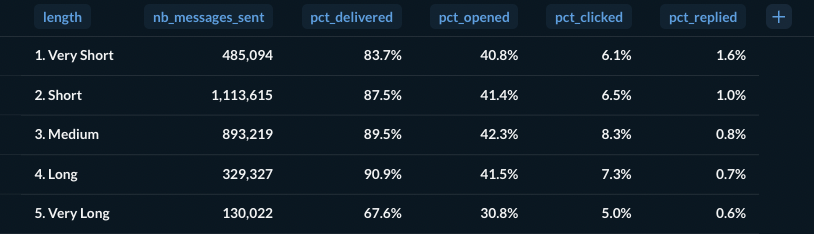
💡 folk CRM tip: Set drafting constraints around the intended response. folk’s internal email analysis associated shorter subject lines with higher reply rates, while medium-length subjects of 50–70 characters generated the highest click rates. Use that observation to brief the model: concise subjects for conversation-led outreach, and medium-length variants to test when sharing resources. It is a finding about subject length, not evidence of an AI-generated performance lift.
3. Call Summaries and Action Items
AI turns a raw transcript into clean notes with buyer pains, priorities, and blockers spelled out in plain language. It tags moments that matter—budget, authority, timeline—and links each to the exact call snippet, so context is reviewable in seconds.
Next steps come ready to use. The system proposes tasks, owners, and due dates that match the deal stage, then drafts a concise recap email. Hand-offs stop breaking, follow-ups land on time, and multi-threading starts earlier.
4. Automated CRM Updates
After each email, call, or LinkedIn touch, AI proposes structured updates: stage, amount, close date, stakeholders, next meeting. Fields fill with evidence from the interaction, not guesswork, so the pipeline mirrors reality.
Forecasts stop wobbling. Managers review suggested changes, accept in one click, and see risk early. Reps avoid end-of-day admin and keep momentum on live deals instead of fixing data.
5. Lead & Account Research
AI scans websites, press, hiring pages, and product docs to surface initiatives, tech stack, and likely pains. It maps roles to responsibilities and flags signals like funding or leadership changes that affect timing.
Reps open a one-page brief before outreach. The brief suggests angles, relevant proof points, and two sharp questions for discovery. Meetings start focused, and sequences stay aligned with what the account actually cares about.
10 Best Sales Tools That Feature Generative AI
👉🏼 Try folk now to speed up cold email drafting and auto-update your CRM
Conclusion
Generative AI in sales is no longer optional. It automates research, writing, call notes, and data hygiene, which lifts reply rates, shortens cycles, and stabilizes forecasts. Teams redirect time to discovery and negotiation instead of busywork.
Impact scales when AI sits inside daily workflows. folk CRM stands out as the best solution for teams of 20-50 people with unified capture, context-aware drafting, crisp call summaries, next-step suggestions, and reliable record updates in one place. For a practical rollout, start with one team and one workflow, measure lift, then expand.
👉🏼 Try folk now to turn call transcripts into summaries and action items instantly
FAQ
What is generative AI for sales?
Generative AI for sales creates emails, summaries, and next steps from sales data (emails, calls, CRM). It writes, reasons, and suggests actions so reps respond faster with relevant messages while keeping control over edits and updates.
How do you implement generative AI in a sales team?
Start with one workflow (e.g., cold outreach or call notes) and one team. Define success metrics like reply rate or stage progression. Review AI suggestions before applying. Expand to other workflows after measurable lift.
Which generative AI features should a sales team prioritize?
Data enrichment, cold email drafting, call summaries with action items, automated CRM updates, and lead/account research. Choose tools that cite sources from interactions and fit existing workflows.
What are the best sales tools with generative AI?
CRMs and engagement tools now include AI. For mid-size teams, consider folk for drafting, call summaries, and auto updates. Alternatives include HubSpot, Salesforce, Outreach; compare by features, data quality, and price.
Meet folk, the AI CRM for your entire Sales motion.