探索Folk——专为以人为本的企业打造的客户关系管理平台
Early-stage startups rarely lose deals on product. Deals slip because follow-ups scatter across inboxes, spreadsheets, and Slack threads. A CRM for startups fixes one thing: every interaction, next step, and owner stays visible, fast.
In the crowded CRM landscape, Pipedrive and Clarify offer distinct solutions tailored for the unique needs of startups. Pipedrive emphasizes a sales-first approach with its visual pipeline and quick setup, ensuring that teams can maintain activity discipline and streamline their deal processes. On the other hand, Clarify leverages AI-driven insights to automate context capture from customer interactions, aiming to reduce manual data entry and enhance follow-up efficiency.
This comparison explores how these two platforms differ in day-to-day operations: from contact management and pipeline hygiene to automation capabilities and overall cost, highlighting what startups need to consider as they scale.
什么是Pipedrive?
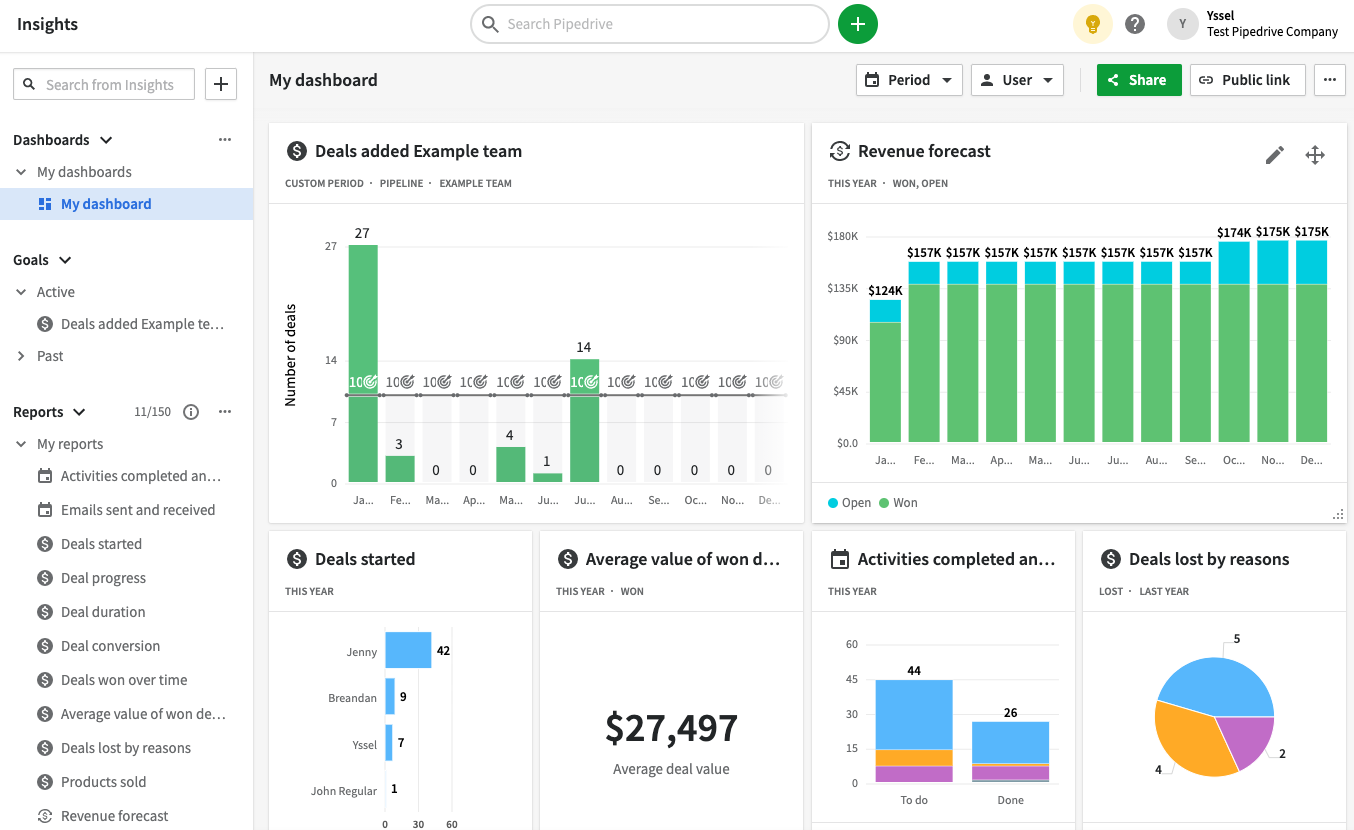
Pipedrive is a sales-centric CRM designed around a visual pipeline and structured activity tracking. It’s ideal for startups engaged in a deal-driven approach, ensuring that representatives always know their next move. The setup process is quick, the user interface remains straightforward, and pipelines can be easily tailored. Pipedrive works effectively for both outbound and inbound sales teams that emphasize follow-ups and speed. While its marketing automation features are limited compared to larger platforms, it often integrates well with dedicated marketing tools.

什么是Clarify?
Clarify is an AI-driven CRM concept designed to gather sales context from real interactions, providing insights and outlining next steps. It suits startups looking to minimize manual data entry while automating the capture of customer insights from conversations. The focus here is on speed, user-friendliness, and smart workflows, rather than extensive administrative tasks. This approach is beneficial for teams that sell consultatively and desire a closer link between calls, notes, and pipeline activities. However, the depth of features and maturity of the ecosystem can vary when compared to established CRMs, so suitability depends on the current scope of the product.

Pipedrive与Clarify功能对比
Email and Calendar Sync
Pipedrive seamlessly integrates email with Gmail and Outlook, allowing messages to be imported into the CRM and linked to the appropriate person, organization, and deal. Calendar synchronization is available for both Google and Microsoft calendars, offering one-way or two-way sync depending on your setup. Meetings and activities remain visible on records, ensuring teams maintain consistent follow-ups. This results in a unified activity timeline that stays updated without the need for constant manual entry. Availability may vary based on your plan and admin settings.
Clarify is an AI-native CRM designed to capture customer context from real conversations and meetings, ensuring this context is linked to accounts. It aims to minimize manual data entry by transforming interaction data into structured records that teams can effectively utilize. This product caters to modern sales teams seeking a CRM that functions more like an intelligence layer than a traditional database. Primarily built for the US market, it connects with common communication tools to centralize activity history. Its suitability depends on the current maturity of the platform and the specific integrations present in the active release.
Clean Contact Data with Enrichment and Deduplication
Pipedrive enhances data quality by enriching contact information, filling in missing details for individuals and organizations using publicly available data linked to an email address or domain. This approach minimizes incomplete records and boosts segmentation and outreach effectiveness. The CRM's duplicate management feature allows for merging people, organizations, and deals, ensuring that activity history remains unified rather than scattered across multiple records. Additionally, Pipedrive flags potential duplicates according to its matching criteria. With cleaner data, reporting accuracy improves, and routing errors diminish.
Clarify promises cleaner, more comprehensive records generated from activity rather than manual entry. Data quality hinges on automated capture and structured summaries, which help minimize missing fields and streamline handoffs. Effective duplicate management and merge workflows are crucial in AI-driven CRMs, as overlapping records can arise from multiple sources. When executed correctly, this approach keeps timelines cohesive and preserves account context across entries. The actual sources for enrichment and deduplication rules vary based on the product's current features.
Flexible Pipelines and Views
Pipedrive enhances collaboration within records through notes, activities, and contextual information accessible to teammates based on their permissions. Mentions and comments facilitate internal coordination directly on items, eliminating the need for external communication threads during handoffs. Visibility groups and permission sets determine who can view or edit data, which is crucial as startups expand their teams and manage sensitive deals, helping to maintain shared understanding without oversharing. This approach keeps governance manageable as the account scales.
Clarify aims to streamline pipeline workflows by linking conversation context to opportunities, next steps, and account status. The key benefit is speed: it propels deals forward by leveraging insights and reminders instead of cumbersome CRM administration. For startups, this enhances follow-up discipline by suggesting actions based on actual activity signals. Pipeline flexibility and reporting capabilities differ depending on the current roadmap and edition, making it suitable for teams that prioritize usability and automated context over complex custom objects.
Team Collaboration
Pipedrive enhances collaboration within records through notes, activities, and contextual information accessible to teammates as permitted. Mentions and comments enable direct internal coordination on items, eliminating the need for external communication threads during handoffs. Visibility groups and permission sets regulate who can view or edit data, which is crucial as startups expand their teams and manage sensitive deals, ensuring shared context without oversharing. As the account grows, governance remains manageable.
In Clarify, collaboration focuses on shared context, allowing teams to review discussions, decisions, and upcoming actions on the same account. This minimizes reliance on scattered notes and internal threads, particularly after calls and meetings. When the CRM consistently captures and summarizes interactions, handoffs become quicker and less prone to errors. As teams expand, permissioning and sharing controls are vital, given the sensitivity of conversation data. The level of governance available is contingent upon the platform's current enterprise readiness.
Lightweight Automation and Integrations
Pipedrive offers Automations triggered by actions like creating, updating, or deleting people, organizations, activities, or deals, alongside date-based triggers. These Automations can perform actions such as creating or updating CRM items and sending emails from the synced email address, depending on how they're configured. In terms of integrations, Zapier enables two-way workflows to transfer data into Pipedrive and export it to other applications. For those seeking more granular control, Pipedrive also provides a REST API and supports webhooks for event-driven integrations, catering to both lightweight startup automation and more complex build paths.
In contrast, Clarify's automation primarily focuses on converting signals into actionable tasks, reminders, and status updates based on conversation insights. Given that Clarify relies heavily on capturing activity from email, calendar, and meeting tools, integrations are even more critical than in traditional CRMs. The effectiveness of Clarify in a broader startup stack is largely determined by API access and automation connectors. Teams assessing Clarify typically prioritize integration coverage and data control early in their evaluation process. The product truly shines when it minimizes administrative tasks while enhancing execution consistency.
folk CRM: The Best CRM for Startups in 2026
folk is a contemporary CRM designed specifically for startups, streamlining relationships across Gmail, Google Calendar, LinkedIn, and spreadsheets. It consolidates contacts, companies, deals, notes, files, and every interaction into a single, lightweight workspace, ensuring that pipeline context remains tied to genuine conversations rather than scattered across multiple tabs.
Key Features Startups Love in folk
- Automatic activity timeline through Gmail + Google Calendar sync
- Capture LinkedIn contacts effortlessly with a Chrome extension
- Contact enrichment for quicker data completion
- Database deduplication to maintain cleanliness as your volume increases
- Custom pipelines and fields tailored to fit any go-to-market strategy
For startups, folk excels in speed-to-value and daily user adoption. The setup is quick, workflows are adaptable, and multichannel context remains easily accessible without burdening the CRM with unnecessary complexity. This leads to more consistent follow-ups, cleaner data, and better revenue visibility with reduced friction.

结论
In summary, Pipedrive offers a sales-first, visually-driven approach ideal for teams prioritizing activity discipline, while Clarify focuses on AI-driven context capture to streamline efficiency and reduce manual tasks. However, for startups that thrive on email integration, automation, and seamless sequencing, folk emerges as the superior choice. Its lightweight design, ease of setup, and multichannel context management ensure consistent follow-ups and cleaner data, making it the go-to CRM solution for modern teams seeking effective collaboration without the complexities.
探索民间CRM
如同团队从未拥有过的销售助手